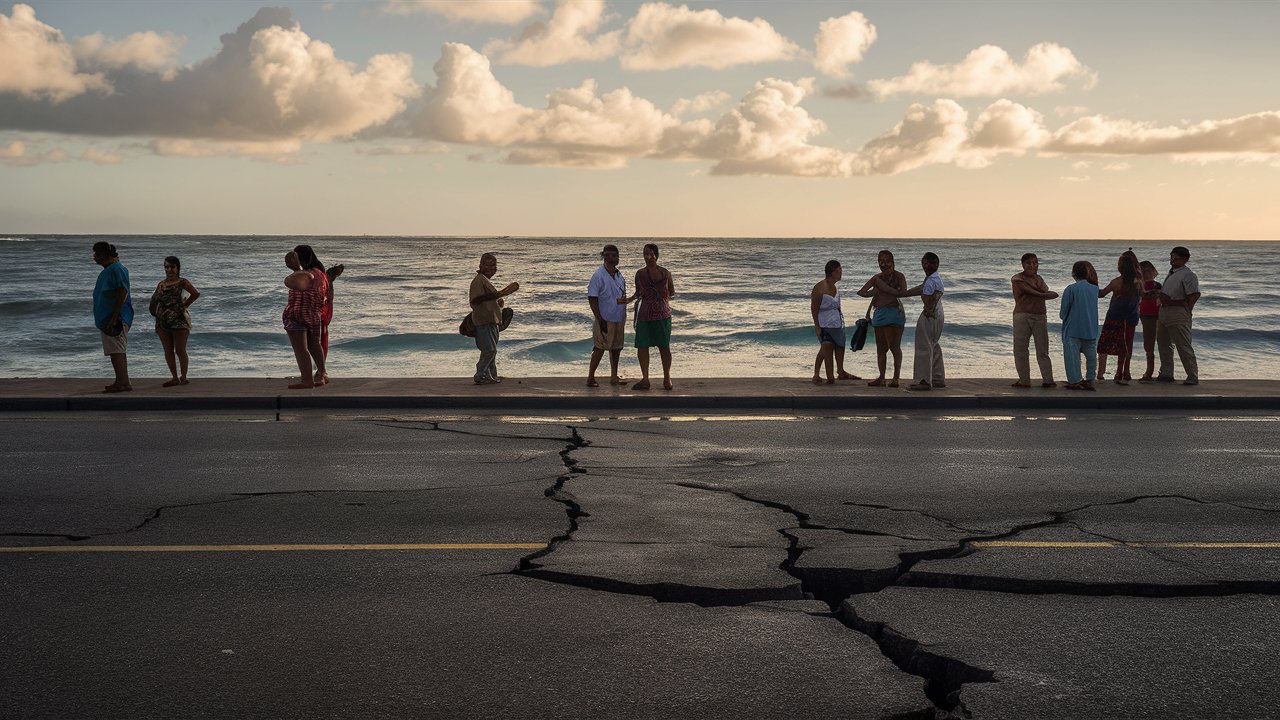
When I first heard the news about the 6.8-magnitude earthquake that rocked eastern Cuba, I couldn’t help but feel a chill run down my spine. Earthquakes are something you never really expect, and when they hit, it feels like the world suddenly goes out of balance. Imagine standing still, only for the ground beneath you to tremble and sway, as if everything solid becomes uncertain. That’s what happened to Cuba recently, and now the whole world is paying attention.
Thank you for reading this post, don't forget to subscribe!
This earthquake struck off the coast of eastern Cuba, close to the town of Baracoa. Though it didn’t cause massive damage or widespread injuries, it was still enough to shake buildings, rattle nerves, and send people rushing outside, looking for safe ground. Even areas a bit farther away felt the jolt, reminding everyone that nature’s power can reach places you’d least expect.
The Big Question: Why Cuba?
One of the first questions people often ask after an earthquake is, “Why there?” Well, Cuba and much of the Caribbean sit in a zone where several large plates of the Earth’s crust meet. These plates are constantly moving, and sometimes they rub up against each other in a way that causes stress to build up. When this stress finally releases, it’s like a rubber band snapping, and we feel it as an earthquake.
Cuba has seen smaller tremors before, but this one was different. A 6.8 magnitude is strong enough to be felt by people hundreds of miles away, and it’s one of the more powerful quakes to hit the region in recent memory. Geologists and earthquake experts are closely monitoring the area now, not just to understand this quake but to look for clues on whether more tremors could be coming.
So, What Happens Next?
For the people of eastern Cuba, life might feel a little uneasy for a while. After an earthquake, there are often “aftershocks” – smaller tremors that follow the main event. These aftershocks can feel like reminders of the big shake, and while they’re usually less powerful, they can still be unsettling. The Cuban government has already asked people to stay cautious and be prepared for these follow-up shakes.
There’s also the matter of building safety. In areas prone to earthquakes, buildings are often designed to handle these sudden forces, but Cuba doesn’t experience huge quakes very often. Officials will need to inspect structures in Baracoa and other affected areas to ensure they’re safe. In some cases, homes and businesses may need repairs to reinforce their stability.
A Reminder to Stay Prepared
One of the biggest takeaways from any earthquake is that it reminds us how little control we have over nature. This earthquake serves as a wake-up call, not just for Cuba but for neighboring areas that could experience similar events. Staying prepared with emergency supplies and knowing safe spots to take cover in your home can make all the difference if something like this happens again.
Scientists will continue to study the quake’s impact on Cuba and its surroundings, using data to see if there’s any increased risk for another large tremor in the future. While the people of Cuba breathe a sigh of relief that this one wasn’t catastrophic, it’s a reminder that the earth beneath us is constantly shifting, with forces we can’t always predict or control.
This “Big Jolt” is a story of resilience – of nature’s power, but also of human strength and preparation. Cuba’s unexpected quake may have left a mark, but it also showed the importance of staying ready, no matter where we are.

