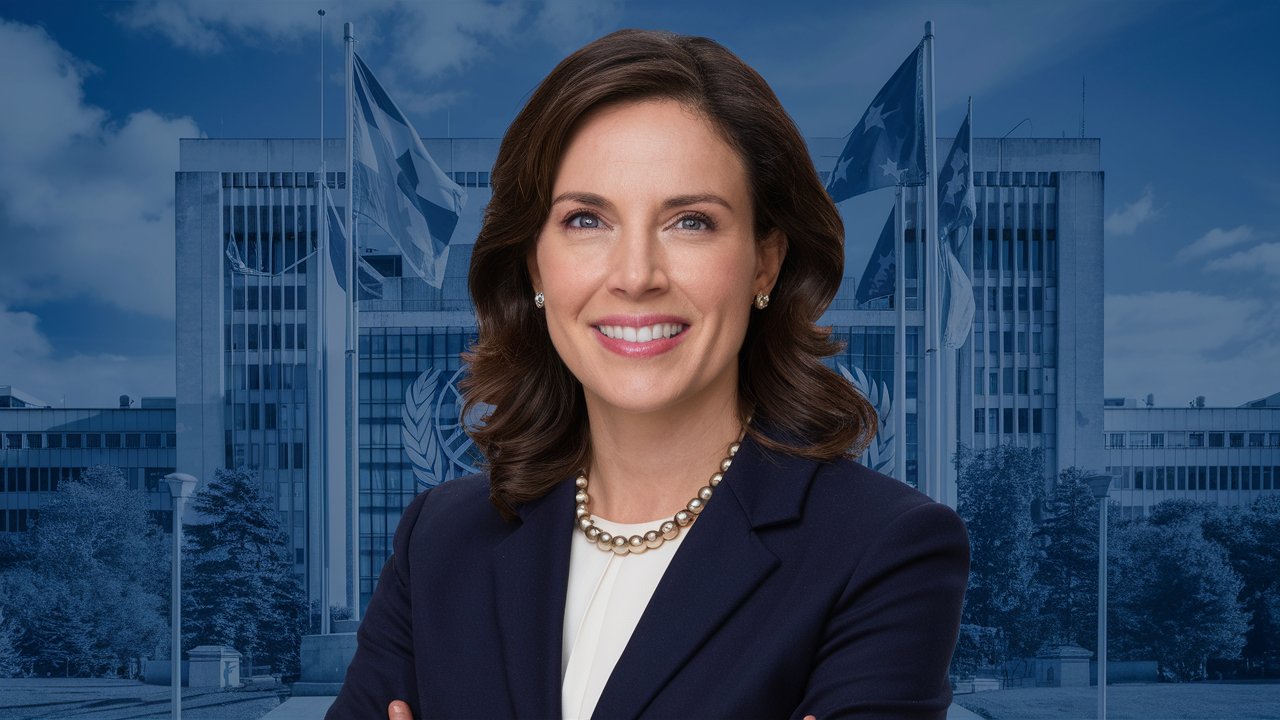
When former President Donald Trump made the announcement that he would nominate Rep. Elise Stefanik for the role of UN Ambassador, it left many people talking. But what does this mean for the future of global diplomacy? Will this pick change the way the United States interacts with the rest of the world? Let’s break it down.
Thank you for reading this post, don't forget to subscribe!
First, let’s talk about who Elise Stefanik is. A representative from New York, she’s known for being a strong, passionate voice in the Republican Party. Over the years, Stefanik has proven herself to be a smart and determined leader. She’s worked her way up in politics and has always been a loyal supporter of Trump. Her sharp political skills and her ability to navigate tough situations make her a strong candidate for such a high-profile position.
But why the UN Ambassador role? The UN is one of the most important international organizations, with countries from around the world coming together to discuss and solve global issues. The UN Ambassador represents the United States at the United Nations and plays a critical role in shaping international policies. So, what does Trump see in Stefanik that makes her the right person for the job?
Trump has always placed a high value on loyalty and strong leadership. He knows that Stefanik is someone who can stand her ground and defend American interests on the world stage. She’s not afraid to speak her mind, which is a quality Trump admires. In many ways, Stefanik is a reflection of the kind of leadership Trump believes the U.S. needs—assertive, confident, and unafraid to challenge the status quo.
Now, let’s look at what this nomination means for global diplomacy. If Stefanik takes the job, she could bring a new approach to the United States’ relationship with the rest of the world. Her strong political background means she could be a tough negotiator. She may push for policies that are more in line with Trump’s “America First” agenda, focusing on protecting U.S. interests before anything else. This could lead to stronger national security and a more cautious approach to international deals.
On the other hand, Stefanik’s nomination could also lead to tensions with some countries. The United States has always played a leading role in the UN, but not everyone agrees with all of its policies. Stefanik’s leadership might spark debate, especially if she takes a more confrontational approach than previous ambassadors. But that’s the risk of having someone with a strong, independent voice in a key diplomatic role.
Another point to consider is how Stefanik’s nomination could influence American politics. Many see her as a rising star in the Republican Party, and this role could be a stepping stone to even greater political power. It’s possible that her work at the UN could build her reputation even more, making her a key figure in future elections. This could change the way both domestic and international politics are shaped for years to come.
Overall, Trump’s nomination of Elise Stefanik for UN Ambassador is more than just a political move. It’s a bold statement about the direction he wants U.S. foreign policy to take. While it may not be without controversy, it is sure to grab the world’s attention. If Stefanik accepts the nomination and takes on the role, her leadership could make a significant impact on how the United States engages with other nations.
So, what’s next for Elise Stefanik? We’ll have to wait and see if she’s confirmed for the role and how she shapes global diplomacy. But one thing’s for sure—her nomination is already sparking a lot of conversations about the future of the UN and America’s place in the world.

