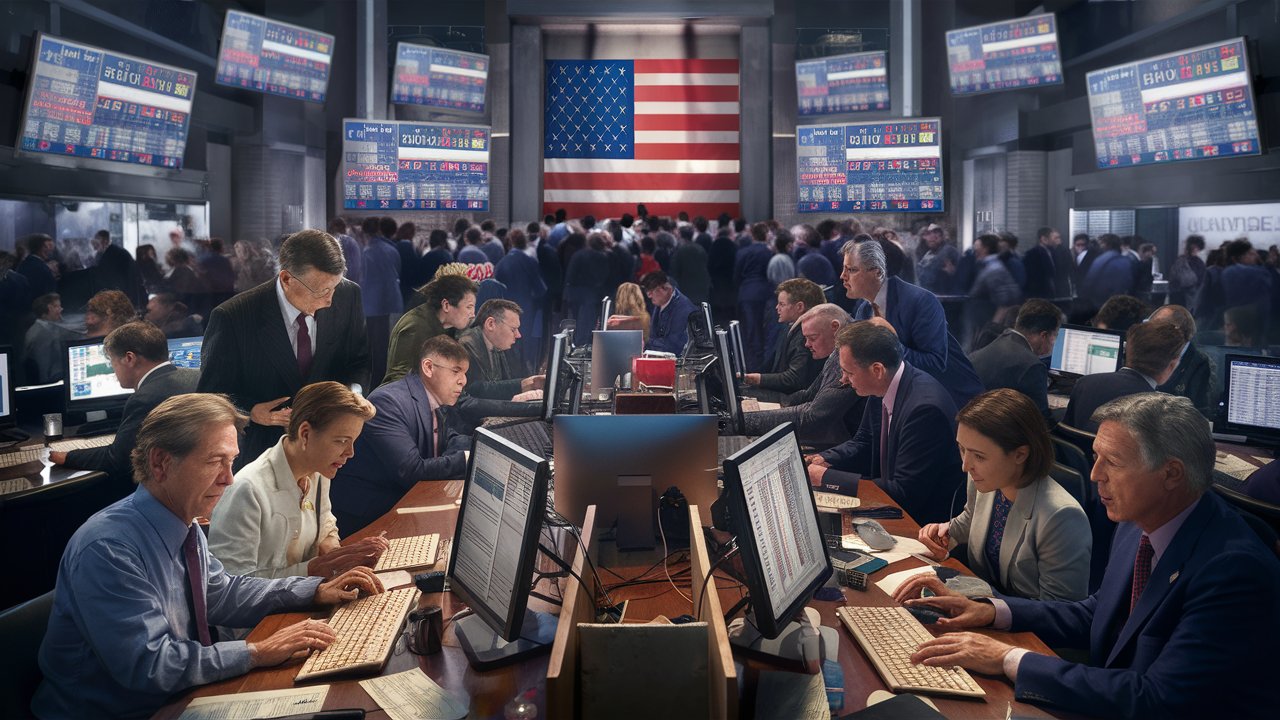
Election night can feel like a circus — reporters standing in front of giant, glowing maps, announcing results, speculating, and keeping viewers on the edge of their seats. But in 2024, something surprising happened: the night unfolded far more smoothly and traditionally than anyone expected. After weeks of uncertainty and concerns about a drawn-out process, we witnessed something that was a little less chaotic and a lot more typical of past election nights.
Thank you for reading this post, don't forget to subscribe!
With all the media buzz before Election Day about long delays, recounts, and dramatic turns, many were prepared for an unpredictable election night. Would the results trickle in slowly? Would Americans be left hanging for days, just like in 2020? Well, it didn’t quite go down like that. By 1:47 AM Eastern on November 6, Fox News declared that Donald Trump had claimed the presidency once again, and soon after, other outlets like CNN and The Associated Press followed suit.
As the night went on, there was a sense of relief, not just because the results started coming in faster than expected, but because it felt… normal. Sure, it was a tight race, but there weren’t the shocking delays or disputes many feared. This wasn’t the nail-biting uncertainty of 2020 or the stunning surprises of past elections. It was a much-needed return to a more predictable pace. And yet, even with the smoothness, there were plenty of surprises and new lessons to be learned.
Fox News, for example, took the lead early on by calling states in Trump’s favor, pointing out trends that were shaping up across crucial battleground states. While others like CNN hesitated and kept viewers on their toes, Fox’s quick declarations showed a level of confidence in the data they had. The networks focused more on granular details, like exit polls showing Trump’s gains among young voters and Latino groups, hinting that the 2024 race might have a different flavor than expected.
Meanwhile, the tension between the candidates was evident, with Trump confidently declaring victory at his Florida celebration just after 2:25 AM. His rhetoric was bold as usual, saying, “This is, I believe, the greatest political movement of all time.” At the same time, Vice President Kamala Harris was preparing to address her supporters, though the outcome was already looking grim. For the most part, news outlets had already settled into a routine, quickly moving into the “post-mortem” phase of coverage — analyzing what went right and wrong for each campaign.
What was most striking about election night 2024, though, was the way networks handled the coverage. Instead of being bogged down by a messy vote count, they had results early and quickly shifted gears to analyzing what these results meant. There was still plenty of speculation — especially on CNN, where commentators pointed out how unlikely it was for Harris to win Pennsylvania, Michigan, or Wisconsin — but those predictions didn’t hold for long. By midnight, Trump’s path to victory seemed nearly certain, especially with his significant lead in the critical battleground states.
Despite the more orderly results, though, analysts still noted the lasting impact of race and voter sentiment. Former Senator Claire McCaskill highlighted how some Americans might have been more comfortable voting for Joe Biden, a white man, over Harris, who was aiming to become the first woman of color elected president. This kind of commentary reminded us that, while the night may have been traditional in terms of coverage, the deeper dynamics of race and politics still play a huge role in shaping how elections unfold.
Ultimately, 2024’s election night taught us one big thing: we may expect chaos, but we shouldn’t be surprised when things fall into place. The long hours of reporting, the quick calls from exit polls, and the rush to dissect every little detail all showed that while elections can be dramatic, they don’t always have to be a rollercoaster. Sometimes, they can follow a rhythm — one that brings with it clarity and a return to what we know.

