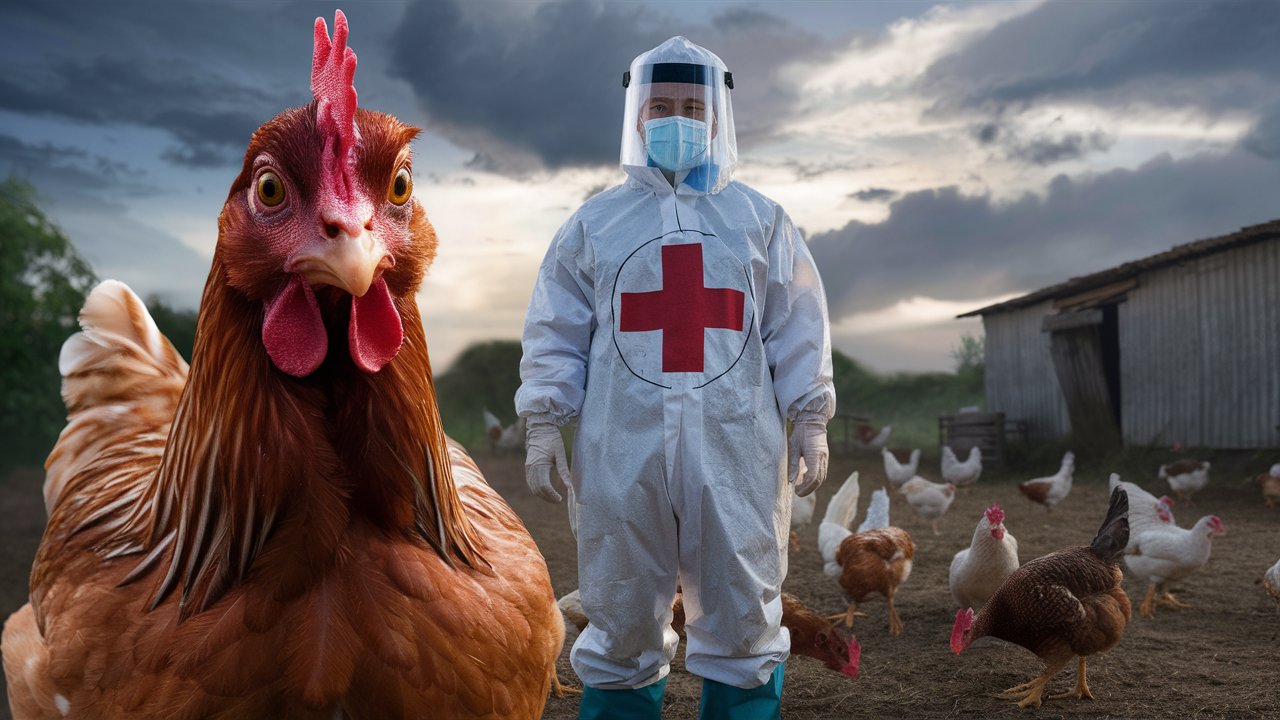
A shocking health discovery has just made headlines in Canada: the country has reportedly seen its first human case of bird flu. This rare and alarming event has sparked concerns around the world, leaving many asking, Is this the beginning of something bigger? As unsettling as this news is, there are a few things we need to understand before jumping to conclusions. Let’s break down what we know so far and what it might mean for us all.
Thank you for reading this post, don't forget to subscribe!
Bird flu, also known as avian influenza, is a disease caused by viruses that mainly infect birds. However, in rare cases, it can cross over to humans. The virus typically spreads through direct contact with infected birds, whether through handling them or consuming their contaminated meat or eggs. In most cases, the disease has been limited to people who are in close proximity to infected poultry. So when news broke about a human case in Canada, health experts began monitoring the situation carefully.
What Do We Know About the Case?
The individual who contracted the bird flu was reported to have close contact with infected poultry. Thankfully, this person is receiving medical treatment and is currently in stable condition. Experts are emphasizing that human-to-human transmission of bird flu remains extremely rare. So, while this case is concerning, it doesn’t automatically mean there’s an outbreak waiting to happen.
The Canadian government has acted swiftly, placing the affected area under close surveillance. The country’s public health officials are working with international health organizations to track any potential spread. While the case has understandably sparked fear, it’s important to note that this is still an isolated incident.
Should We Be Worried?
It’s normal to feel uneasy when something as serious as bird flu enters the picture. But experts are urging calm. According to the World Health Organization (WHO), most cases of bird flu in humans have not led to widespread outbreaks. In fact, the last major bird flu pandemic was over a decade ago. Modern health measures, including better detection, reporting, and vaccination strategies, are making it less likely for diseases to spread unchecked.
The question remains: could this be the start of something bigger? It’s hard to say. While bird flu can be deadly in animals, the risk of human-to-human transmission is low. In the case of Canada’s first human infection, there’s no evidence that the virus has spread to others. This case could very well be an isolated incident.
That said, we shouldn’t dismiss the possibility entirely. Public health experts are closely watching the situation. They’re also looking at other factors, like the global increase in bird flu cases in animals and the potential for new mutations of the virus. It’s a good reminder for all of us to stay informed and cautious, especially if you live in areas where bird flu is more prevalent.
What Can You Do to Stay Safe?
While the risk to the general public remains low, there are some basic precautions you can take if you’re in an area with known bird flu cases. Health officials recommend avoiding close contact with sick or dead birds, washing your hands frequently, and making sure that poultry products are cooked thoroughly. For now, the best way to protect yourself is to stay informed and follow the guidance of local health authorities.
Final Thoughts
Canada’s first human bird flu case is certainly a big deal, but it doesn’t necessarily mean we’re facing an outbreak. While we should all keep an eye on the situation, there’s no need to panic just yet. With swift action from health authorities and continued vigilance, we can help prevent any further spread. Stay informed, follow the advice of health experts, and take basic precautions to keep yourself safe. Let’s hope this turns out to be just a rare occurrence and not the start of something bigger.

