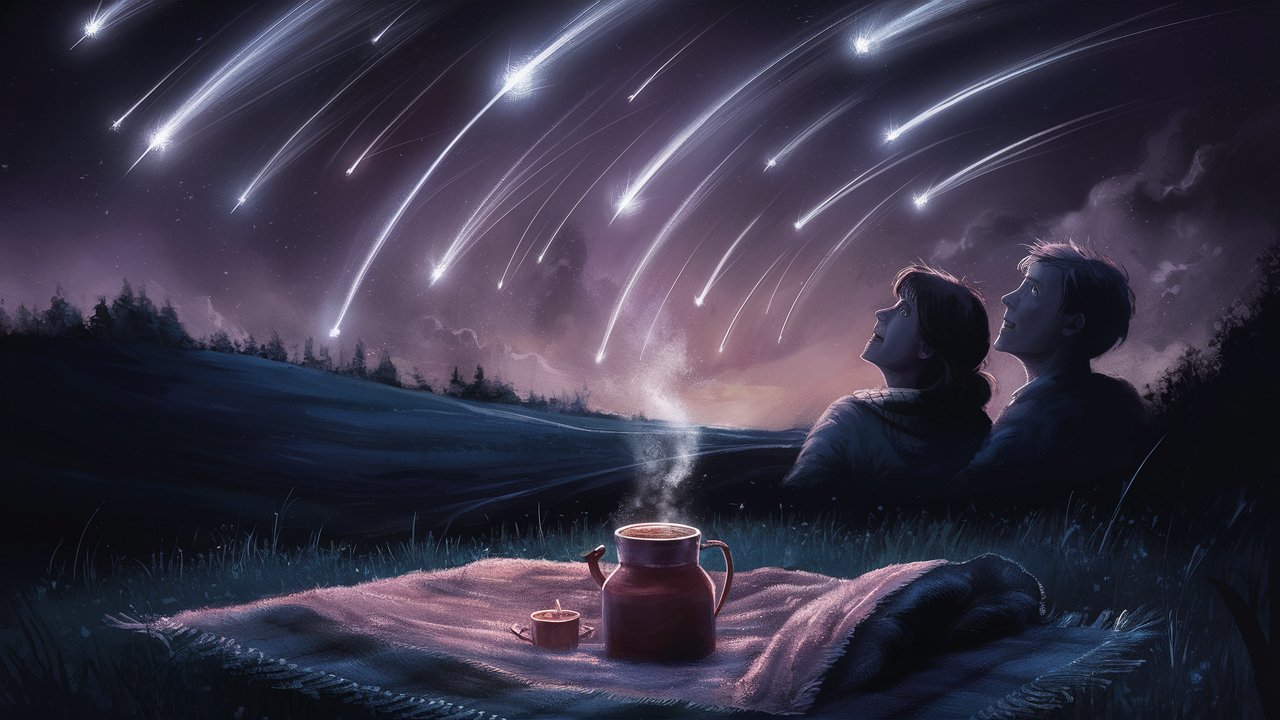
If you’re anything like me, you love gazing up at the night sky, letting its vastness fill you with wonder. Well, get ready, because the universe is about to put on a show, and it’s one you won’t want to miss. The last meteor shower of the year is lighting up the skies, and trust me—it’s going to be magical.
Thank you for reading this post, don't forget to subscribe!
When I first heard about it, I grabbed my calendar and circled the date. This is the Geminid Meteor Shower, a dazzling event that turns ordinary skies into something straight out of a fairy tale. The best part? It’s free, and all you need to do is step outside and look up.
When and Where to Watch
The meteor shower peaks on December 13-14, but you’ll likely see shooting stars a few nights before and after those dates. If you live in a place with clear, dark skies, you’re golden. No telescope or fancy gear is required—just your eyes and a cozy blanket to keep warm.
For city dwellers like me, light pollution can be a bummer. But don’t worry! If you can drive a little way out of town, even to a local park, you’ll see plenty of action. Experts predict up to 120 meteors per hour at its peak. That’s two stars every minute, streaking across the sky like fireworks.
Why It’s So Special
What makes this one so unique? Unlike some other meteor showers, the Geminids come from an asteroid, not a comet. That means the meteors are denser and brighter, making their streaks last longer. It’s like the universe is leaving us with a final, dramatic flourish to close out the year.
I can’t help but get a little sentimental about it. Watching shooting stars reminds me of being a kid, lying in the backyard with my family, whispering wishes into the night. This shower is your chance to relive that magic—or share it with your kids, friends, or someone special.
How to Make It an Unforgettable Night
Here’s what I’m planning:
- Pick the perfect spot. Find an open area with a wide view of the sky.
- Bundle up! December nights can be chilly, so bring a blanket, thermos of hot cocoa, and maybe some snacks.
- Bring patience. It can take 20 minutes for your eyes to adjust to the dark, so give yourself time to settle in.
- Unplug. Turn off your phone and just be present. Trust me, the shooting stars are better than any Instagram scroll.
Fun Fact: Did You Know?
The meteors you’ll see tonight are actually tiny fragments of an asteroid named 3200 Phaethon, which zips past Earth every year. These fragments hit our atmosphere at crazy speeds, burning up and creating those bright streaks we all love.
Don’t Miss It
This isn’t just another night—it’s a chance to end the year with awe and wonder. So, set a reminder, grab your favorite people, and head outside to watch the universe at work.
Remember, every shooting star is a moment of magic, fleeting but unforgettable. And who knows? Maybe tonight is the night your wish comes true.

