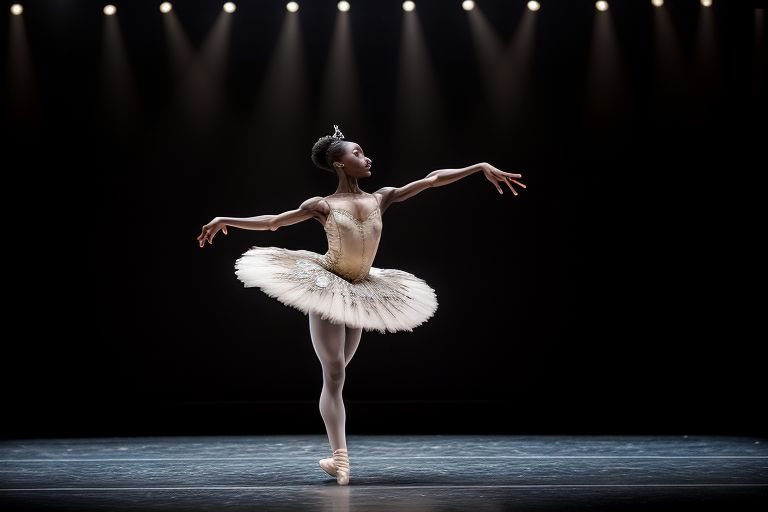
When you think of ballet, the first images that come to mind are likely graceful pirouettes and elegant tutus. But every once in a while, someone comes along who shatters the mold, changing the landscape of an art form forever. Michaela Mabinty DePrince was that person. She wasn’t just a dancer; she was a symbol of perseverance, strength, and inspiration. Her journey transcended ballet, and she left a lasting impact far beyond the stage.
Thank you for reading this post, don't forget to subscribe!
In a recent interview, Tamara Rojo, one of the most respected figures in ballet, spoke candidly about Michaela’s influence. As the artistic director of English National Ballet, Rojo is no stranger to the challenges and triumphs of the dance world. Yet, when she spoke about Michaela, her words took on a new weight—filled with admiration and a deep sense of loss for someone who was more than just a performer.
More Than Her Story
Michaela DePrince’s life story is nothing short of extraordinary. Born in Sierra Leone during a brutal civil war, she lost her parents at a young age and was abandoned in an orphanage. Suffering from vitiligo, a skin condition that caused her to be labeled as “the devil’s child,” Michaela endured unimaginable hardship. Yet, through it all, she clung to one thing—her dream of becoming a ballerina.
Her journey from war-torn Africa to the international ballet stage is the stuff of legend. But Tamara Rojo reminds us that Michaela was more than just her remarkable background. “What set Michaela apart,” Rojo said, “wasn’t just the hurdles she overcame, but the way she danced with such raw emotion. She wasn’t performing; she was sharing her soul on stage.”
Rojo’s words resonate deeply because they reveal a truth we often forget in the world of ballet: it’s not just about technique. Michaela didn’t just execute steps flawlessly—she told stories with her body that left audiences breathless. Every leap, every spin was infused with her personal experiences, her pain, her hope. And that’s what made her truly special.
A New Kind of Role Model
In the world of classical ballet, where tradition often dictates who gets to shine, Michaela was a trailblazer. She didn’t look like the stereotypical ballerina, and she certainly didn’t come from a traditional background. Yet, she defied every odd, becoming an icon for aspiring dancers around the globe.
Tamara Rojo spoke about how Michaela transcended the boundaries of ballet, becoming a beacon for those who felt out of place in a world that still clings to outdated ideals of beauty and conformity. “Michaela was proof that ballet could be for everyone,” Rojo reflected. “She showed the world that you don’t have to fit the mold to be great. You just have to be unapologetically yourself.”
It’s easy to imagine how Michaela’s presence could have made waves, not just in the ballet community, but in the broader conversation about representation in the arts. She wasn’t just a symbol of diversity—she was a symbol of what true artistry looks like when it’s unfiltered and unbound by tradition.
The Legacy Michaela Leaves Behind
Rojo’s reflection on Michaela’s legacy also touched on the deep sense of loss felt by the ballet world. Michaela’s tragic passing at the age of 27 was a devastating blow, especially to those who had witnessed her growth firsthand. But as Rojo pointed out, her legacy lives on, not just in the world of ballet, but in the lives of the countless people she inspired.
“She was a light,” Rojo said. “A light that reminded us all of the power of resilience, of the beauty that can come from hardship. She was more than a dancer; she was a force.”
In a world where ballet is often seen as rigid and exclusive, Michaela DePrince was a breath of fresh air. She didn’t just dance—she broke down barriers and redefined what it means to be a ballerina. And while she may no longer be with us, her spirit and legacy continue to inspire new generations of dancers and dreamers alike.
A Final Reflection
As Tamara Rojo so powerfully put it, Michaela DePrince was more than a dancer—she was a symbol of hope, a beacon of strength, and an artist who shared her soul with the world. Her life and her legacy remind us that art, in its truest form, is about more than just what we see. It’s about the story behind it, the emotions that fuel it, and the people who transcend it.

