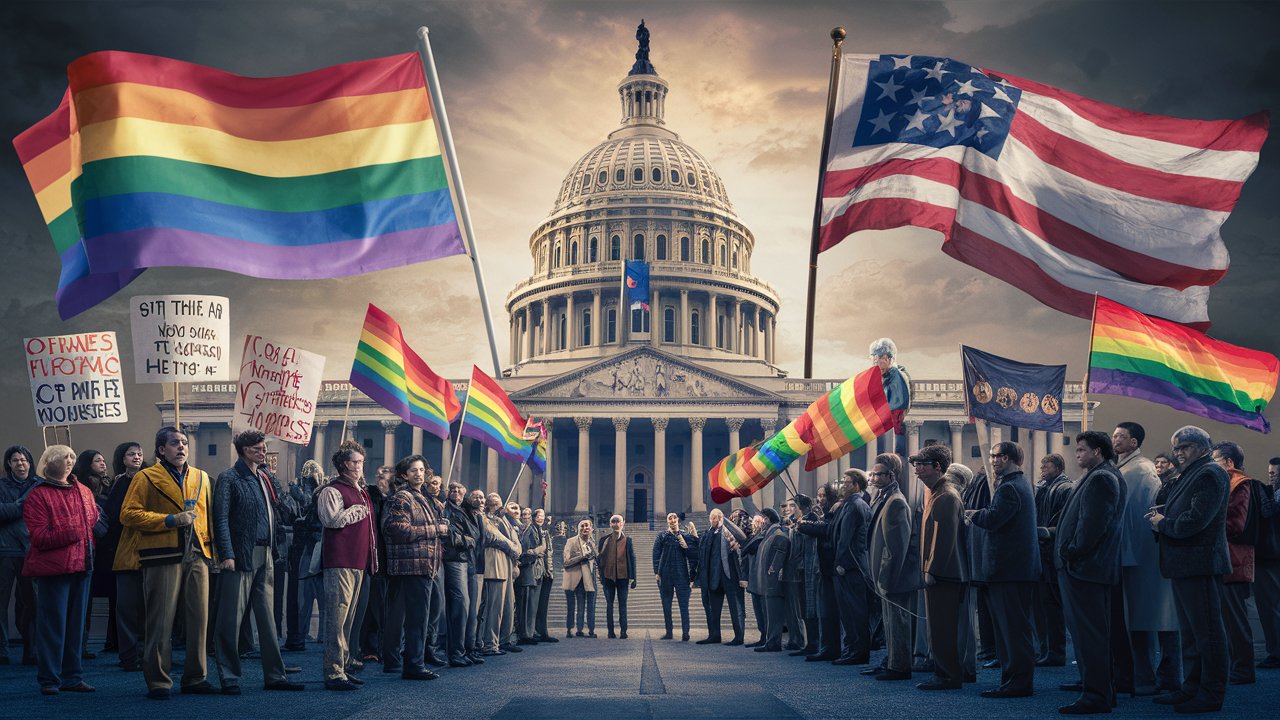
When I first heard about the resolution introduced at the Capitol targeting transgender bathroom rights, I couldn’t help but wonder: Why now? It’s 2024, and while some states are making strides toward inclusivity, others seem stuck in the past. The timing feels particularly pointed, given that the nation just celebrated the historic election of its first transgender congresswoman.
Thank you for reading this post, don't forget to subscribe!
The resolution, put forth by a Republican lawmaker, aims to restrict bathroom access in federal buildings based on a person’s sex assigned at birth. For many, this feels like a direct response to the election—a way to push back against progress. But for others, it’s about preserving tradition and addressing concerns they believe are legitimate.
As someone who values fairness and inclusion, I find this debate both frustrating and deeply personal. Everyone deserves to feel safe and respected, and that includes in the bathroom. But this resolution raises bigger questions about identity, acceptance, and who gets to define what’s “right.”
The Heart of the Argument
The lawmaker behind the proposal insists it’s not about discrimination but about “maintaining privacy and comfort for all individuals.” Supporters argue that allowing transgender individuals to use bathrooms matching their gender identity could make others uncomfortable.
On the other hand, critics—including advocacy groups and some of the congresswoman’s new colleagues—call this resolution a thinly veiled attempt to roll back rights for the transgender community. They say it perpetuates harmful stereotypes and ignores the very real challenges transgender people face, like harassment and violence.
During a press conference, the newly elected congresswoman spoke passionately about the issue. “This isn’t just about bathrooms,” she said. “It’s about dignity, respect, and the right to exist as who we are.” Her words were met with applause from her supporters but scorn from those who see her victory as a threat to traditional values.
A Divided Nation
This controversy has reignited old tensions, drawing battle lines between those advocating for LGBTQ+ rights and those clinging to a more conservative vision of America. Polls show that the country is almost evenly split on issues like transgender bathroom access, which explains why this resolution is so polarizing.
As the debate unfolds, I can’t help but think about the everyday people caught in the middle. Imagine being a transgender teenager hearing lawmakers argue about your basic rights. Or a parent trying to explain to their child why some people want to deny others the ability to simply use a bathroom.
What’s Next?
The resolution is still in its early stages, but it has already sparked protests and heated discussions across the nation. Some see it as a way to energize conservative voters ahead of the next election. Others worry it sets a dangerous precedent, paving the way for more anti-transgender legislation.
For me, this isn’t just about politics—it’s about people. Whether the resolution passes or not, one thing is clear: this conversation isn’t going away anytime soon. And while lawmakers argue over who’s welcome where, I hope we don’t lose sight of what really matters—treating everyone with the respect they deserve.

