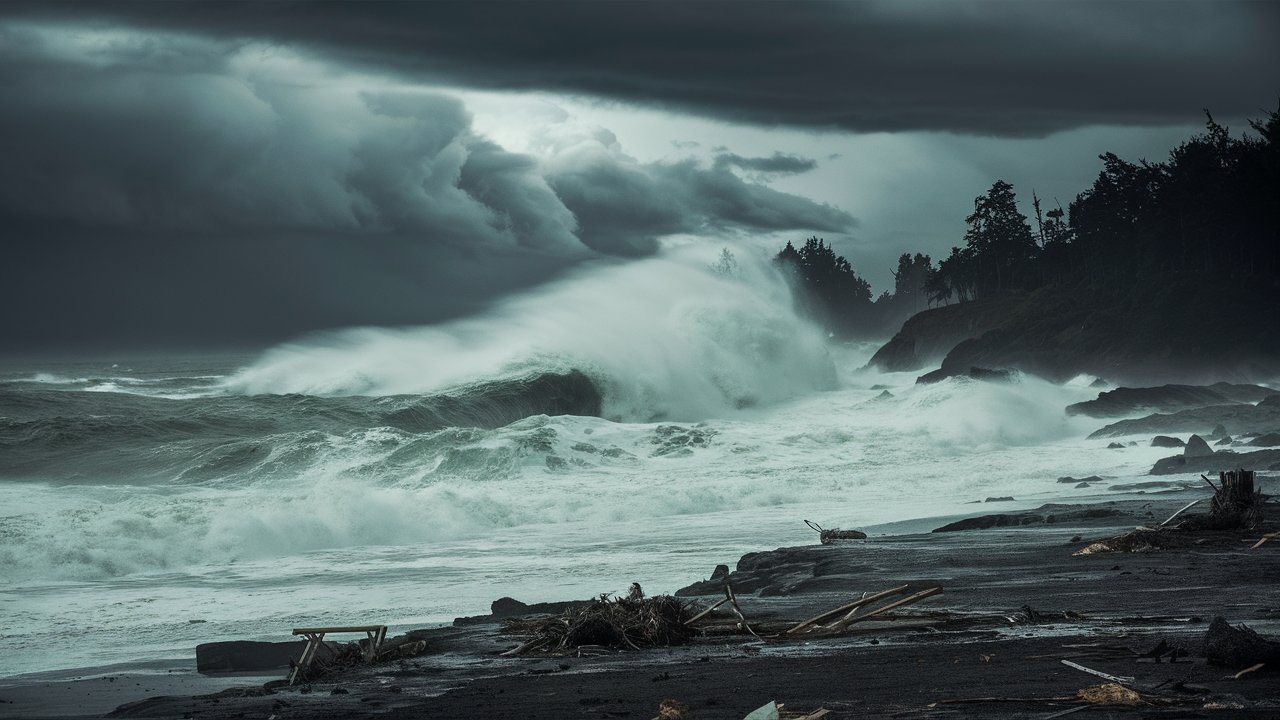
I woke up this morning to news that had me glued to the window. The West Coast is bracing for one of the strongest storms in recent memory: a “bomb cyclone.” It sounds like something out of a sci-fi movie, but trust me, this is real—and it’s massive.
Thank you for reading this post, don't forget to subscribe!
The term “bomb cyclone” isn’t just dramatic for the sake of it. It refers to a storm that strengthens at an explosive rate, with its atmospheric pressure dropping quickly. Think of it like a hurricane but fueled by cold air instead of warm. This one? It’s breaking records over the Northeast Pacific and hammering the coastline with fierce winds, heavy rain, and towering waves.
As I write this, coastal communities from California to Washington are on high alert. Roads are flooding, trees are being uprooted, and power lines are snapping like twigs. My neighbor just told me her backyard looks like a swamp, and I’ve already seen videos of people kayaking down what used to be streets.
What Makes This Storm So Dangerous?
Meteorologists are calling this bomb cyclone one of the strongest ever recorded in the Northeast Pacific. Its rapid intensification—a drop of 24 millibars in less than 24 hours—has created a monster of a storm. Winds are whipping up to 80 mph, with gusts strong enough to knock over semi-trucks. That’s not even mentioning the waves, some of which are cresting at over 40 feet tall!
And the rain? Oh, it’s relentless. We’re talking about several inches in just a few hours in some areas. For those living near rivers, the risk of flash floods is through the roof.
Who’s at Risk?
If you’re near the coastline, you’re likely already feeling the storm’s effects. But even people farther inland aren’t safe. Mountain communities are seeing snowfall and high winds that could trigger avalanches. Cities are dealing with urban flooding as drains struggle to keep up with the deluge.
I have friends in Oregon who are stockpiling supplies because they’re worried about being stranded. Grocery stores are running low on essentials, and gas stations have lines stretching around the block.
How Are People Coping?
The good news is that officials have been warning about this storm for days, so most people are as prepared as they can be. Sandbags, flashlights, and emergency kits are flying off the shelves.
Emergency responders are working overtime, and shelters are opening their doors for anyone who needs a safe place to stay. Social media is buzzing with updates, from road closures to safety tips. One post showed a group of volunteers helping elderly neighbors board up windows. It’s a reminder that even in tough times, people come together.
What’s Next?
Experts say the storm could linger for another day or two before losing steam, but its impact will be felt long after it’s gone. The damage to homes, businesses, and infrastructure will take weeks, if not months, to repair. And let’s not forget the emotional toll this takes on families and communities.
So, if you’re on the West Coast, please stay safe. Follow evacuation orders if they’re issued, avoid unnecessary travel, and keep an eye on your local weather alerts. This storm is no joke, but with preparation and care, we’ll get through it together.

