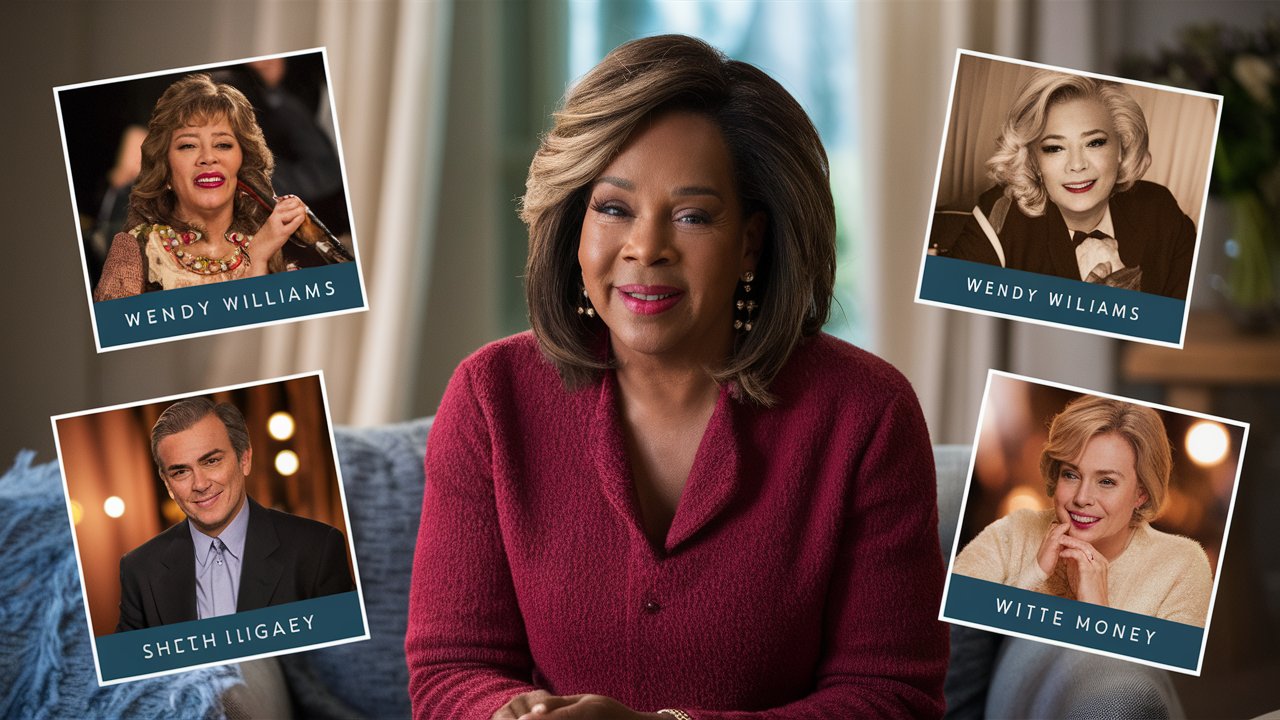
It’s hard to imagine a world where Wendy Williams isn’t the bold, charismatic queen of daytime television. Yet, here we are. When I first heard the news about Wendy being declared permanently disabled and legally incapacitated, my heart sank. For years, she entertained millions with her unfiltered opinions and larger-than-life personality, but now, she’s facing a battle many of us never saw coming—dementia.
Thank you for reading this post, don't forget to subscribe!
As someone who grew up watching her, I can’t help but feel the weight of this moment. Wendy wasn’t just a talk show host; she was a cultural icon. She spoke her mind fearlessly, which made her show both loved and criticized. But that’s what made her so real. Now, this diagnosis feels like an abrupt silence in a life that was always so loud and lively.
Her guardian recently confirmed that Wendy’s condition has left her unable to manage her affairs. Imagine the struggle of someone so independent now needing constant care. The term legally incapacitated sounds so clinical, but what it really means is heartbreaking. It means she can no longer make decisions about her life, finances, or health on her own.
This all started to come to light when Wendy’s show ended in 2022. At the time, fans were told she was dealing with health issues. Few of us realized the depth of what she was going through. Dementia is not just about memory loss; it steals pieces of a person, little by little. Wendy’s fight isn’t just physical—it’s emotional, mental, and deeply personal.
Her guardian has stepped in to ensure she’s cared for, but it’s a bittersweet reality. While Wendy may be safe and supported, it’s a reminder of how fragile life can be. We don’t often think about our heroes being vulnerable, but this news is a stark wake-up call.
For her fans, this is a time to reflect on all the joy and drama Wendy brought into our lives. Her catchphrases like “How you doin’?” are etched in pop culture history. But more than that, her story is a reminder to check in on our loved ones, especially as they age. Dementia can happen to anyone, and it often starts quietly, like it did with Wendy.
I can’t help but wonder what Wendy would say if she could talk to her fans now. She’s always been transparent about her struggles, from addiction to personal heartbreaks. Maybe she’d tell us to focus on the good times, to remember her as the Wendy who could hold an audience in the palm of her hand.
As the world processes this devastating news, I hope we can send Wendy the love and support she deserves. Even if she can’t respond the way she used to, I believe she’ll feel it in some way. Her legacy isn’t just about her career—it’s about the connection she had with millions of people. That will never fade, even as dementia tries to take her away from us.
Let’s keep Wendy in our thoughts. This is her silent struggle, but she doesn’t have to face it alone.

