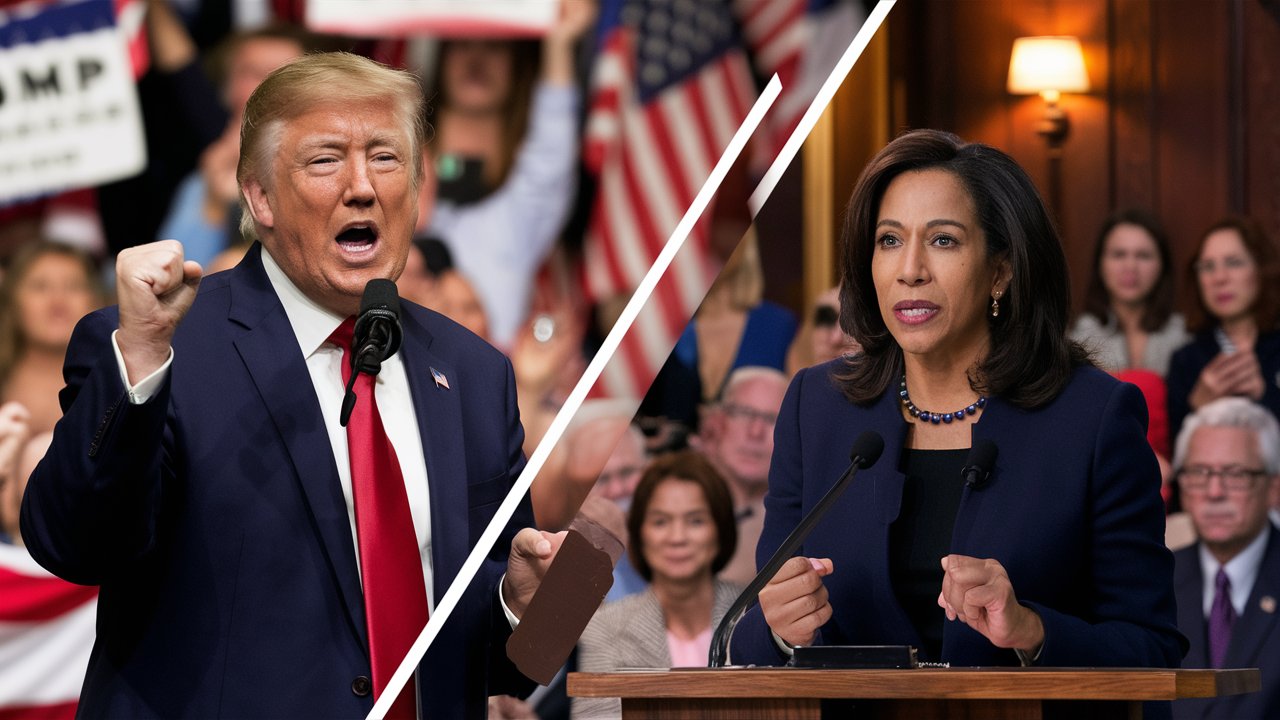
When we talk about the upcoming election, it’s impossible not to focus on two of the most talked-about contenders: Donald Trump and Kamala Harris. Both are polarizing in their own ways, but they also represent very different visions for America. Trump’s pathway leans heavily on his solid base of supporters, while Harris’s hinges on energizing new and existing Democratic voters, especially among young people and minorities. As we gear up for what could be one of the most heated political contests in recent history, let’s break down the strategies that each candidate might use to capture the White House.
Thank you for reading this post, don't forget to subscribe!
Trump’s Path: Going All In on His Base
One of Trump’s biggest strengths has always been his loyal supporters, and he knows it. Over the years, he’s built a powerful, almost unshakeable bond with his base, often focusing on issues that resonate with them, like the economy, immigration, and national security. Trump will likely double down on this strategy, speaking directly to his supporters in rallies, social media posts, and interviews, while highlighting issues like job creation and reducing taxes.
Another possible strategy for Trump is to focus on the struggles that America has faced, like rising inflation and foreign policy challenges, positioning himself as the strong leader who can bring stability. Expect Trump to continue painting a picture of “the good old days” during his administration, which he’ll claim were more prosperous and secure. This nostalgic approach could pull in undecided voters who feel disillusioned or uncertain about current events.
In addition, Trump may rely on key battleground states he won in 2016, such as Florida, Ohio, and Pennsylvania. To win over these areas, he’ll focus on connecting with working-class voters and bringing in messages of “America First,” focusing on policies that appeal to manufacturing jobs, rural communities, and traditional industries.
Harris’s Strategy: Building a Broader Coalition
Kamala Harris, on the other hand, has a different challenge. She’ll need to build a broad coalition to not only appeal to traditional Democrats but also to young people, minorities, and suburban voters. A big part of her strategy will likely involve addressing issues like climate change, healthcare reform, and educational opportunities — all topics that matter a lot to younger generations.
Harris will likely highlight her record and work on issues of social justice, gender equality, and diversity. As the first woman of color to serve as Vice President, she already represents a historic shift, and this could inspire many first-time voters or those who feel that the current political system doesn’t represent them. Expect Harris to also lean into policies that promote economic fairness and opportunity for all, including affordable housing and fair wages, which have strong support among younger voters and minority communities.
Swing states are also crucial for Harris’s path to victory, so she’ll likely focus on states like Michigan, Wisconsin, and Arizona — places where mobilizing minority and younger voters could make a big difference. Her approach may include a mix of in-person events and a strong online presence to reach people where they are, especially those less likely to attend traditional rallies.
Media Influence and Messaging
Both candidates know the power of media, but they use it differently. Trump has long been a master of attention-grabbing statements and bold claims, ensuring he stays in the headlines. This time around, he may use social media and interviews to reframe his messaging on familiar issues while adding new ones, possibly focusing on critiques of the current administration’s handling of global and domestic issues.
Harris, meanwhile, might lean on a more polished, inclusive message. She’ll need to come across as a unifier — someone who can bring people together and lead America into a brighter, more equal future. Social media will also be key for her campaign, with a focus on positive, engaging content that can reach younger voters.
The Final Face-Off
When the dust settles, both candidates will have one last chance to make their case in the debates. This could be Harris’s opportunity to counter Trump’s messaging directly, showing herself as calm, composed, and ready to lead. Trump, meanwhile, will likely use the debate stage to reinforce his core messages, aiming to fire up his base and convince undecided voters that he’s the experienced leader America needs.
Who Will Win?
In the end, it all depends on who can rally their supporters the most and who can sway the undecided voters. While Trump has his strong, loyal base, Harris might just have the numbers if she can motivate enough new and young voters. The strategies of each candidate are a mix of tradition and adaptation, and the 2024 election could be anyone’s game.

