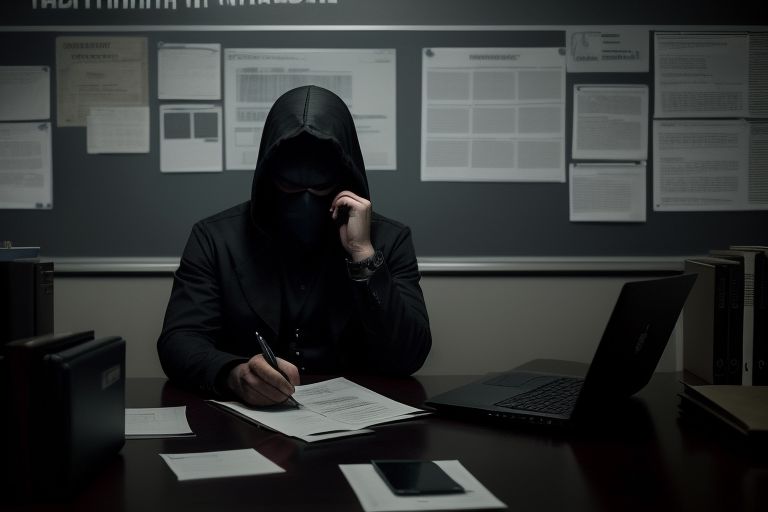
I’ll admit, when I first heard about Russia meddling in U.S. affairs, I pictured shadowy figures in smoky rooms, not TikTokers and YouTubers. But then the DOJ released its bombshell findings, and suddenly, everything clicked.
Thank you for reading this post, don't forget to subscribe!
We live in a world where social media can make or break anything—from the latest dance trend to, apparently, national security. It turns out that Russia had been playing the long game, and their target? Not just politicians or news channels but the influencers we follow every day. Think about it—those viral videos, the trending hashtags, all might have been tools in a much darker plan.
The Department of Justice recently uncovered a scheme that sounds more like a thriller than reality. Russian operatives were allegedly paying American social media stars, some knowingly, others completely unaware, to subtly push messages that aligned with Russia’s political goals. This wasn’t just fake news or bot accounts; it was actual people, people we trust for their honest opinions, being manipulated to sway our thoughts and votes.
One of the most shocking revelations was how far back this plot went. According to the DOJ, the groundwork for this plan had been laid years ago, with small but strategic moves. It wasn’t just about convincing us to side with one political party or another, but more about dividing us, creating chaos, and making us doubt the truth altogether. The saying “divide and conquer” seems to have taken on a whole new meaning in the age of social media.
As I read through the report, I couldn’t help but wonder how many of the videos I’d watched or posts I’d liked were part of this elaborate scheme. It’s unsettling, isn’t it? We think we’re just watching someone share their thoughts or a funny meme, but in reality, we might be pawns in a much bigger game. And the scariest part? Most of these influencers had no clue they were being used.
The DOJ made it clear that this wasn’t just about exposing the plot—it’s about waking us up to the reality of modern warfare. This isn’t about tanks and missiles anymore. It’s about information, and how easily it can be twisted and turned against us.
In some cases, influencers were paid large sums of money to promote specific narratives, often under the guise of sponsorship deals or partnerships. In other instances, the manipulation was more subtle, with Russian agents planting ideas that would grow into larger trends without anyone noticing the roots.
One case involved a popular YouTuber with millions of followers who unknowingly shared content that aligned with Russian disinformation. It was a small seed planted in a seemingly harmless video that eventually grew into a full-blown political movement. And that’s how it works—slowly, over time, until it’s too late to trace back where it all began.
The DOJ’s findings are a reminder that in today’s world, the battlefield isn’t just on the ground; it’s in our feeds, our comments, and even in our minds. It’s easy to get swept up in the latest viral sensation or heated political debate, but we need to stay vigilant and ask ourselves, “Where is this really coming from?”
The truth is, anyone can be influenced. But now that the curtain has been pulled back, it’s up to us to be smarter, more skeptical, and more aware of the forces at play.

