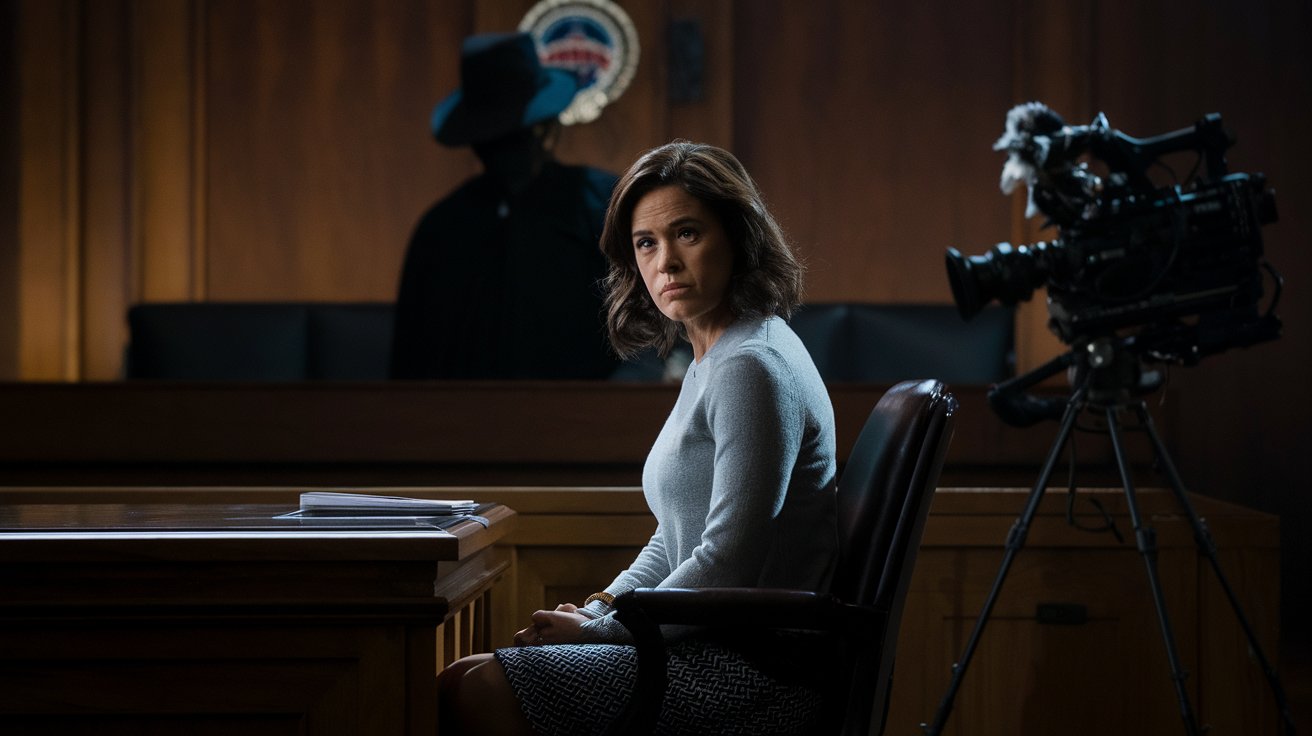
When I first heard about the tragic shooting on the set of Rust, I couldn’t believe it. A routine film shoot turned deadly, leaving one person dead and raising questions that still haunt many of us. The fact that actor Alec Baldwin fired the shot that killed cinematographer Halyna Hutchins was shocking enough. But now, as the conviction of the movie’s armorer has been upheld, the big question on everyone’s mind is whether justice is truly being served—or if she’s being made a scapegoat in a tragic accident that rocked Hollywood.
Thank you for reading this post, don't forget to subscribe!
The armorer, Hannah Gutierrez-Reed, was responsible for the weapons on the Rust set. If you’re unfamiliar with the role, an armorer is the person in charge of all the guns and ammunition used in a film. Their job is to make sure everything is safe for the actors and crew. But on that fateful day, something went horribly wrong. A live bullet ended up in a prop gun, and when Baldwin pulled the trigger, thinking it was a blank, Hutchins was fatally shot.
The court upheld Gutierrez-Reed’s conviction, holding her accountable for negligence and mishandling the firearms. On the surface, it seems straightforward: if she had done her job right, Hutchins would still be alive. But is it really that simple? The more I read about the case, the murkier things seem.
One of the main arguments for her conviction is that, as the armorer, it was her responsibility to ensure that no live rounds were anywhere near the set. But in an industry where people often work under tight deadlines and immense pressure, mistakes can happen. Was Gutierrez-Reed truly negligent, or was she working under conditions that made this tragedy inevitable? She was young and relatively inexperienced, which could have contributed to the oversight. But does that make her solely responsible for Hutchins’ death?
Some believe that Gutierrez-Reed is being unfairly blamed, taking the fall for a bigger problem in the industry. There’s no denying that Baldwin, as the actor holding the gun, and the production team also have their share of responsibility. Baldwin has stated repeatedly that he was told the gun was “cold,” meaning it had no live rounds. If that’s true, then how much blame should really fall on him? And what about the other safety measures that should have been in place on set? Shouldn’t the entire crew, including producers, be held accountable for creating a safe environment?
It’s heartbreaking, really. A talented cinematographer lost her life, and now a young woman’s career and freedom are on the line. What bothers me most is how this could have been avoided altogether if more attention had been paid to safety on set. The film industry is supposed to be a place where creativity and storytelling come to life, not a place where lives are at risk.
The debate over whether Gutierrez-Reed is receiving justice or being used as a scapegoat won’t go away anytime soon. While her conviction brings some form of closure to the legal side of things, the deeper questions about accountability in Hollywood still remain. This case serves as a wake-up call to the film industry about the importance of safety—because no one should lose their life making a movie.
As I think about it, I wonder if there’s ever going to be true justice for Halyna Hutchins. The loss of her life can’t be undone, no matter how many convictions or trials come out of this. But maybe this tragedy can lead to real change in an industry that desperately needs it.

