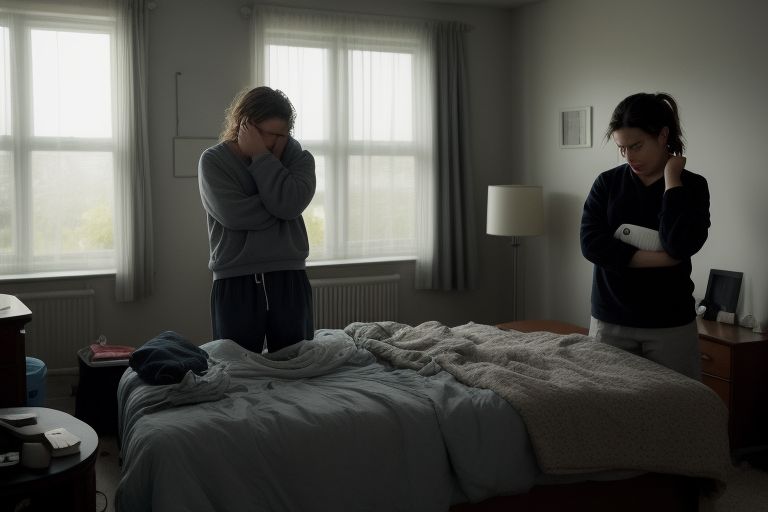
You know that strange feeling when daylight saving time ends—when we “fall back” and suddenly the clocks go back an hour? Most people love it because they think they’re getting an extra hour of sleep. But what if I told you that extra hour might actually be messing with your body in ways you never thought about?
Thank you for reading this post, don't forget to subscribe!
I used to think it was harmless too, until I realized something wasn’t right. Every year after the clock change, I noticed I felt more tired, stressed, and even moody. Turns out, there’s a lot more happening in your body than just adjusting to a new schedule.
The Clock in Your Head Is Confused
First of all, let’s talk about your body’s internal clock, or circadian rhythm. It’s like an invisible clock inside you that tells you when to sleep, eat, and wake up. It’s set by the natural light outside—so when the sun rises and sets, your body follows along.
But daylight saving time messes with that. When we turn the clocks back, it throws off that rhythm. Imagine you’re used to waking up at 7 AM, but suddenly 7 AM is darker than it used to be, and your body gets confused. This messes with your sleep cycle, making it harder to fall asleep at night and wake up in the morning. You might think, “Well, I’m getting an extra hour of sleep, right?” But actually, it’s more like forcing your body to adjust to jet lag without ever getting on a plane.
The Stress Is Real
Another thing most people don’t realize is that daylight saving time can add stress to your life. When your sleep cycle is off, it affects your mood. You might feel more irritated or anxious without even knowing why. The sudden change in your body’s rhythm can also trigger stress hormones, making you feel more on edge.
I remember one time after the clock change, I couldn’t focus at work. I was snapping at people, and my usual calm self was nowhere to be found. It wasn’t until I connected the dots that I realized it all started when daylight saving ended.
It Can Mess with Your Heart Too
If all that wasn’t enough, there’s also evidence that the end of daylight saving time can affect your heart. Studies have shown that heart attacks increase just after the time changes—likely because the disruption in sleep can put more strain on your heart.
I never thought about it until I read about a guy who had a heart attack the day after the clocks changed. The experts say it’s because your body is trying to adjust to the sudden shift, and for some people, that extra stress can be too much.
What You Can Do to Protect Yourself
So, what can you do about it? I wish I had a magic fix, but there are some ways to make the transition easier on your body.
- Gradually adjust your sleep schedule: Start going to bed 15-30 minutes earlier a few days before the clocks change so your body isn’t shocked by the sudden shift.
- Get plenty of sunlight: Exposing yourself to natural light in the morning can help reset your internal clock faster.
- Stay active: Physical activity during the day can improve your sleep quality and help your body adjust to the new schedule.
- Avoid heavy meals and caffeine late in the day: Both can make it harder for your body to fall asleep on time.
Final Thoughts
Daylight saving time seems like just an hour difference, but the effects on your body can be a lot bigger than you think. It’s more than just feeling a little sleepy—it can impact your mood, your heart, and your overall well-being. So next time the clocks change, remember, it’s not just your watch that needs to adjust. Your body does too, and with a little care, you can avoid those hidden dangers.

