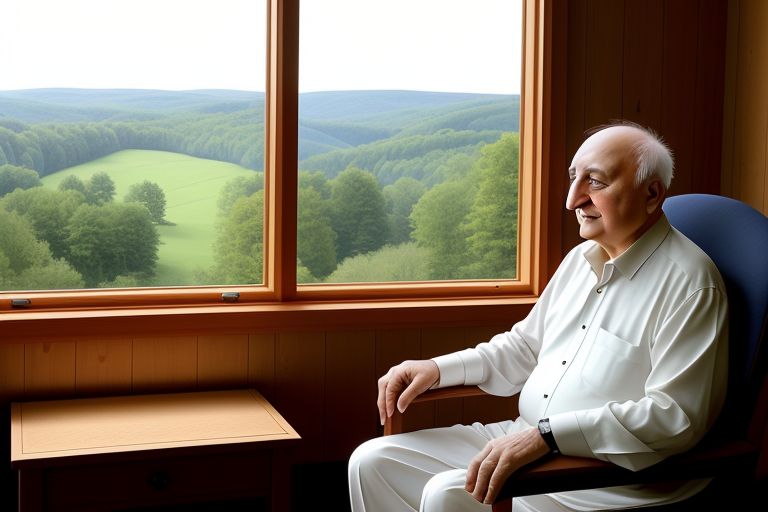
The news of Fethullah Gulen’s death at the age of 83 marks the end of a highly controversial chapter in Turkish history. It’s strange how one person can go from being a respected cleric to an accused mastermind behind a failed coup. I remember reading about him years ago when he was a name everyone knew in Turkey. Today, as I reflect on his journey from power to exile, I can’t help but think about how complicated his life became.
Thank you for reading this post, don't forget to subscribe!
Fethullah Gulen wasn’t always a controversial figure. In fact, there was a time when he was seen as a spiritual leader, promoting a version of Islam that embraced education and interfaith dialogue. His movement, known as Hizmet, focused on building schools, media outlets, and charity organizations around the world. For many, Gulen represented a modern face of Islam—someone who encouraged peace, learning, and global connections. But that wasn’t the whole story.
Things took a sharp turn when Gulen’s relationship with Turkish President Recep Tayyip Erdoğan fell apart. The two men had been allies, but by 2013, they became fierce enemies. Gulen, who had already been living in self-imposed exile in the U.S., found himself at the center of a political storm. In 2016, when a coup attempt shook Turkey, Erdoğan pointed the finger directly at Gulen, accusing him of orchestrating the entire event. Gulen denied any involvement, but that didn’t stop the Turkish government from labeling him a terrorist and demanding his extradition.
For me, it’s fascinating how someone who once had so much influence could end up in such a position. Gulen spent his final years isolated, far from the country that once revered him. Despite numerous requests from Turkey, the U.S. never handed him over. Instead, he lived out his last days in Pennsylvania, where he reportedly dealt with declining health. I wonder what those final moments were like for him—did he feel regret, bitterness, or peace?
Gulen’s death leaves many questions unanswered. His movement, once powerful, has been largely dismantled in Turkey. Thousands of his followers were arrested or lost their jobs after the coup attempt. Even though Gulen is gone, the tension between his legacy and the current Turkish government remains. Will his followers continue his work, or will they fade into history with him?
As I think about Gulen’s life, I can’t help but reflect on the impact one person can have on an entire nation. Whether you see him as a hero or a villain, there’s no denying that Gulen left a significant mark on Turkey and beyond. His death may close one chapter, but the story of his life will continue to be debated for years to come.

