CM Kejriwal to meet L-G Saxena amid suspense over tabling of Delhi ordinance as Bill in Lok Sabha. The Bill may be tabled by Union Home Minister Amit Shah on Monday.
Thank you for reading this post, don't forget to subscribe!
CM Kejriwal to Call on L-G Saxena Amid Suspense Over Tabling of Centre’s Delhi Ordinance as Bill in Lok Sabha
Chief Minister Arvind Kejriwal is scheduled to call on Lieutenant-Governor Vinai Kumar Saxena amid suspense over the tabling of the Government of National Capital Territory of Delhi (Amendment) Bill, 2023 in the Lok Sabha on Monday.
Introduction
In a significant development, Chief Minister Arvind Kejriwal is set to meet with Lieutenant-Governor Vinai Kumar Saxena to discuss the contentious Government of National Capital Territory of Delhi (Amendment) Bill, 2023. The bill aims to replace the Centre’s Ordinance on Services, granting the Lieutenant-Governor more authority in the administration of Delhi and establishing the National Capital Civil Service Authority (NCCSA). The meeting comes at a crucial juncture as the bill’s tabling in the Lok Sabha has been a subject of speculation. In this article, we delve into the latest developments surrounding the bill and the key changes it proposes.
Meeting Amidst Uncertainty
While government sources have confirmed that the meeting is scheduled for 4 pm, the actual agenda remains unknown. Chief Minister Kejriwal sought this meeting with Lieutenant-Governor Saxena, which has added to the intrigue surrounding the bill. The Government of National Capital Territory of Delhi (Amendment) Bill aims to replace the Centre’s Ordinance on Services, which was promulgated on May 19, 2023.
The Key Changes to the Bill
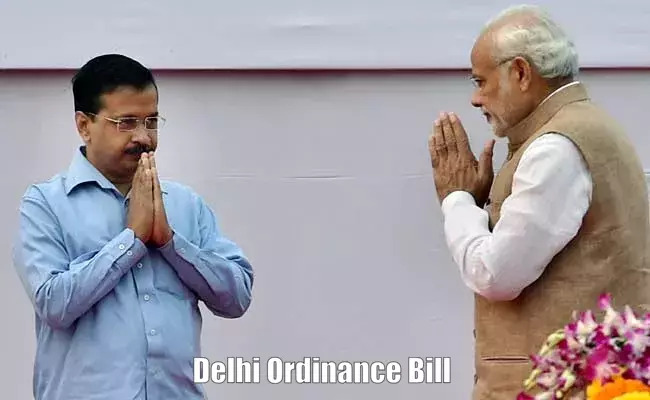
There are three significant deletions and one addition to the Government of National Capital Territory of Delhi (Amendment) Bill. These changes seek to address the power tussle between the Delhi government and the Lieutenant-Governor and have been a major point of contention.
1. Deletion of Provisions Relating to Delhi Legislative Assembly
One of the key deletions in the bill is the removal of ‘Additional provisions with regard to Delhi Legislative Assembly’ inserted as Section 3A through the Ordinance. This section granted the Legislative Assembly the power to make laws, except with respect to matters enumerated in Entry 41 of List II of the Seventh Schedule of the Constitution of India. With this deletion, the scope of the Legislative Assembly’s power has been clarified.
2. Removal of Provision Mandating Tabling of ‘Annual Report’
The bill removes the provision that mandated the tabling of the ‘annual report’ of the National Capital Civil Service Authority in both Parliament and the Delhi assembly. This deletion has been a point of contention in the power struggle between the Delhi government and the Lieutenant-Governor.
Must Read:- Get ready for Jawan: The Shahrukh Khan movie that will blow your mind
3. Elimination of Provisions Regarding Ministerial Orders
The bill eliminates the provision mandating the placing of ‘orders/directions of ministers pertaining to proposals or matters required to be referred to the central government before the Lieutenant Governor and the Chief Minister of Delhi. This change aims to streamline decision-making and avoid potential conflicts.
4. Introduction of New Provision for Appointments to Boards and Commissions
A new provision in the bill states that the Lieutenant Governor will make appointments to Boards and Commissions constituted by the Delhi government based on a panel of names recommended by the National Capital Civil Service Authority, which will be headed by the Chief Minister of Delhi. This change seeks to strike a balance between the roles of the Lieutenant Governor and the elected government in the appointment process.
Supreme Court’s Ruling and Ongoing Legal Battles
The Supreme Court’s ruling in May had favored the Delhi government, granting it control over all services in the national capital, except those related to public order, land, and police. The Centre sought a review of the verdict, and soon after, brought in the ordinance to override the court’s ruling. In response, the Arvind Kejriwal government petitioned the Supreme Court against the ordinance.
Reactions from the Political Spectrum
The controversial bill has ignited a fierce political battle between the Arvind Kejriwal-led Delhi government and the ruling BJP at the Centre. The Aam Aadmi Party (AAP) has accused the BJP of attempting to undermine the rule of law and gain control over the capital’s civil servants. CM Kejriwal has been reaching out to opposition leaders and chief ministers across the country to garner support against the bill.
Opposition’s Stand and Whips Issued
Several opposition parties have taken a strong stance against the bill, with AAP MP Raghav Chadha calling it undemocratic. AIMIM MP Asaduddin Owaisi has opposed the introduction of the bill, stating that it violates the principle of federalism, an essential part of India’s constitutional structure. In response, the party has issued a three-line whip to all its Rajya Sabha MPs, demanding their presence in the House during the session.
Conclusion
The meeting between Chief Minister Arvind Kejriwal and Lieutenant-Governor Vinai Kumar Saxena holds immense significance as it comes amidst uncertainty over the tabling of the Government of National Capital Territory of Delhi (Amendment) Bill, 2023 in the Lok Sabha. The bill’s proposed key changes aim to address the power struggle between the Delhi government and the Lieutenant-Governor, but it remains to be seen how it will be received during parliamentary discussions. The political implications of this bill are vast, and its passage or rejection could have far-reaching consequences for Delhi’s governance structure. As the bill continues to be a focal point of contention, the nation awaits the final outcome with bated breath.

