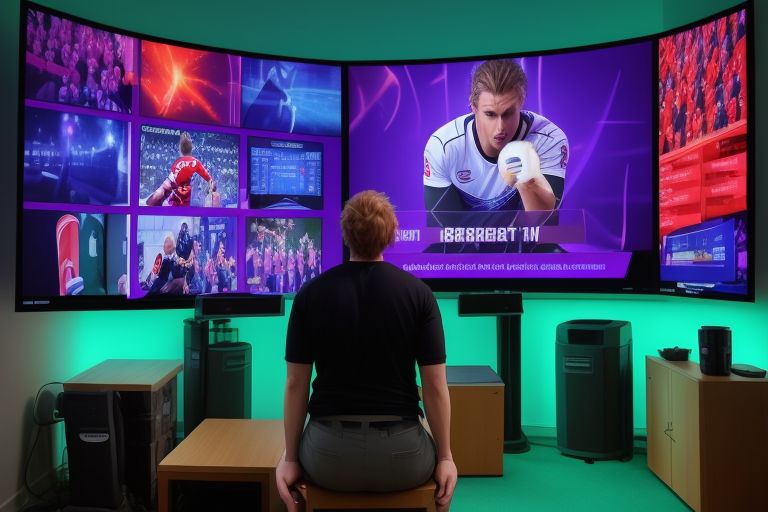
Have you ever found yourself glued to the screen, watching hours of Olympic sports, even ones you never thought you’d be interested in? You’re not alone. This summer, YouTube viewers spent a jaw-dropping 40 billion minutes — that’s 76,000 years! — watching the Paris Olympics. Sounds insane, right? But what if I told you that this wasn’t just a matter of people loving sports? What if you were being manipulated to watch more than you realized?
Thank you for reading this post, don't forget to subscribe!
The Science of Attention: How They Hooked You In
Let’s be real for a second — sports are thrilling. But why did so many people, including those who never usually care about athletics, end up watching endless hours of the Olympics? The answer lies in a mix of smart psychology and advanced technology.
First, there’s the fear of missing out (FOMO). The Olympics happen once every four years, and everyone talks about them. Social media is buzzing, your friends are posting about it, and suddenly, you feel like you must tune in. You don’t want to be left out when everyone’s chatting about that incredible race or the underdog who won gold. It’s like they have a psychological hook in your brain, pulling you in.
Then there’s the way the videos are designed. Ever notice how YouTube serves you a highlight reel the moment you open the app? This isn’t random — it’s part of a strategy to grab your attention. The flashy thumbnails, the auto-playing clips, and the perfectly curated “Next Up” suggestions are all crafted to keep you watching longer. Before you know it, you’ve spent hours watching event after event — even if it’s something like synchronized swimming that you never cared about before!
The Emotional Roller Coaster: Why You Couldn’t Look Away
Another reason we got so sucked in? Emotions. The Olympics are packed with drama: victories, defeats, tears, and triumphs. Watching athletes push their limits and achieve their dreams gives us an emotional high. And our brains love that! When we feel excited, nervous, or inspired, our brains release dopamine — the same chemical that gets released when we eat our favorite food or win a game. It feels good, so we crave more.
But it’s not just the happy moments that keep us watching. Stress and tension play a huge role, too. Remember those close finishes, nail-biting moments when you didn’t know who would win? That’s no accident. The producers know that tension keeps you on the edge of your seat, glued to the screen. Our brains are wired to crave resolution, so we keep watching to find out what happens next.
Are You Being Manipulated, or Are You Just a Fan?
So, were you manipulated? The short answer is — kind of. The content creators and platforms know exactly what they’re doing. They use psychology to keep us engaged and coming back for more. But is that a bad thing? It depends on how you look at it. If you had a great time, felt inspired, or learned something new, maybe it’s not so bad. But if you find yourself wondering where all your time went, it might be worth questioning why you watched so much.
In the end, whether you feel manipulated or not, remember this: awareness is power. The next time you find yourself lost in an endless loop of videos, ask yourself — am I choosing to watch, or is something else choosing for me?
Related Search Terms:
Paris Olympics 2024, YouTube Olympic viewing statistics, psychology of watching sports, fear of missing out Olympics, Olympic viewing addiction, YouTube watch time manipulation, Olympics streaming psychology, Paris Olympics fan engagement
Hashtags:
#Olympics2024, #YouTubeAddiction, #SportsPsychology, #ParisOlympics, #MediaManipulation, #FearOfMissingOut, #WatchTimeTrap, #DigitalAttention

