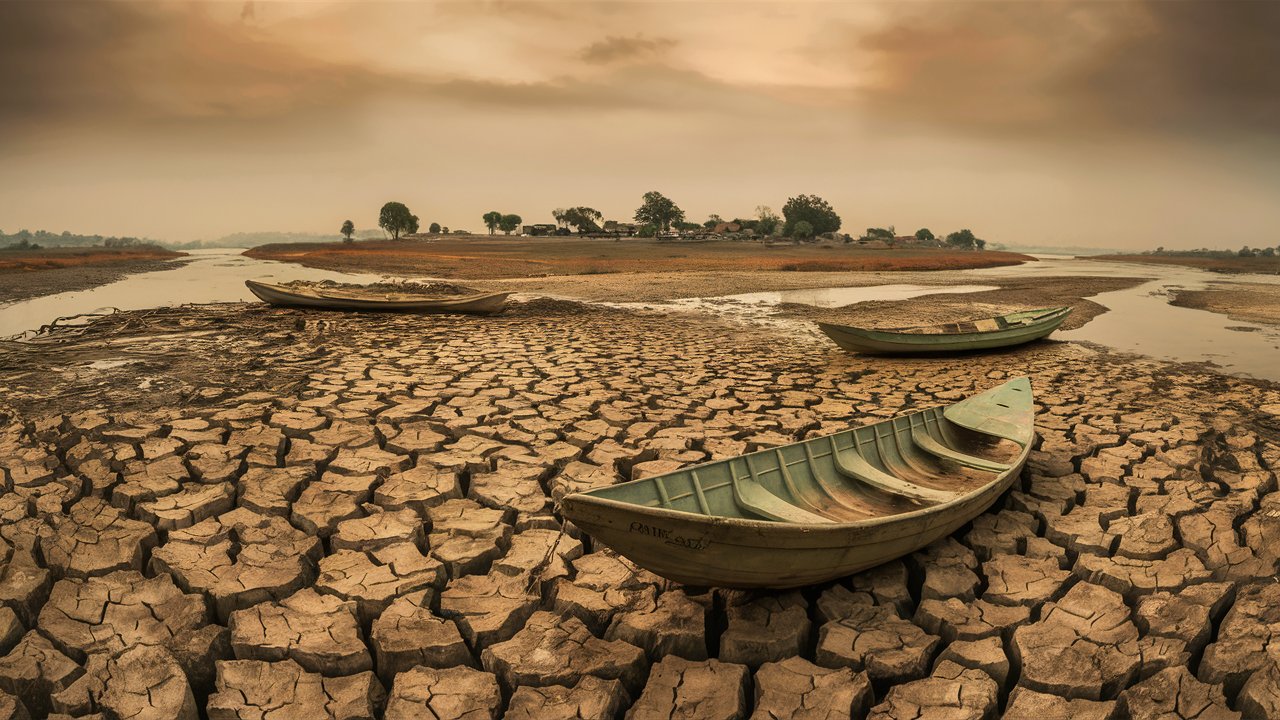
A Dry Hell: The Peruvian Amazon Crisis No One Is Talking About
When you think of the Amazon, you probably picture endless greenery, mighty rivers, and a sky alive with birds. But right now, the Peruvian Amazon looks like a completely different place — and not in a good way. A severe drought has hit the region, and it’s so bad that more than 130 Indigenous communities are completely isolated. Can you imagine being cut off from the world like that?
Thank you for reading this post, don't forget to subscribe!
Let me break it down for you. The rivers, which are lifelines for these communities, have dried up to the point where boats — the only means of transport — can’t navigate them anymore. No boats mean no supplies, no medical aid, and no way to reach safety. It’s a dire situation, and it’s heartbreaking to see these resilient people struggle to survive in a place they’ve called home for generations.
A Crisis in the Making
This isn’t just a random bad year. The drought is linked to a strong El Niño event and climate change. Both have made weather patterns unpredictable, turning lush forests into dry wastelands. Rivers like the Ucayali and Marañón, which are usually bustling with life and activity, are now shallow trickles. Entire ecosystems are suffering, and the people who depend on them are paying the highest price.
I can’t stop thinking about the children in these communities. With rivers drying up, schools are inaccessible, and health services are out of reach. Malnutrition is becoming a serious problem since fishing, their main source of food, has come to a halt. The situation is grim, and the world seems to be looking the other way.
Stories of Survival
Despite everything, these communities are showing incredible strength. Many are turning to traditional knowledge to find water sources or foraging in the forests for food. But it’s a fight against time. Aid organizations are stepping in where they can, delivering emergency supplies via helicopters, but it’s not nearly enough.
And here’s the frustrating part — this crisis could have been less severe if there were better infrastructure in place. Roads, emergency water supplies, and quicker government response could have made a world of difference. Instead, these Indigenous communities are left to fend for themselves, battling a natural disaster worsened by human actions.
What Can Be Done?
There’s no quick fix, but raising awareness is a start. The world needs to know what’s happening here. Governments, NGOs, and even individuals can play a role. Pressure on policymakers can lead to faster aid and better infrastructure. Donations can help fund immediate relief efforts. And perhaps most importantly, we need to take climate change seriously before more communities face similar fates.
The Amazon is a vital part of our planet. It’s not just a forest; it’s home to millions of people, countless animals, and plants that hold the key to the planet’s health. Losing it piece by piece is not just Peru’s problem — it’s ours, too.

