Thank you for reading this post, don't forget to subscribe!
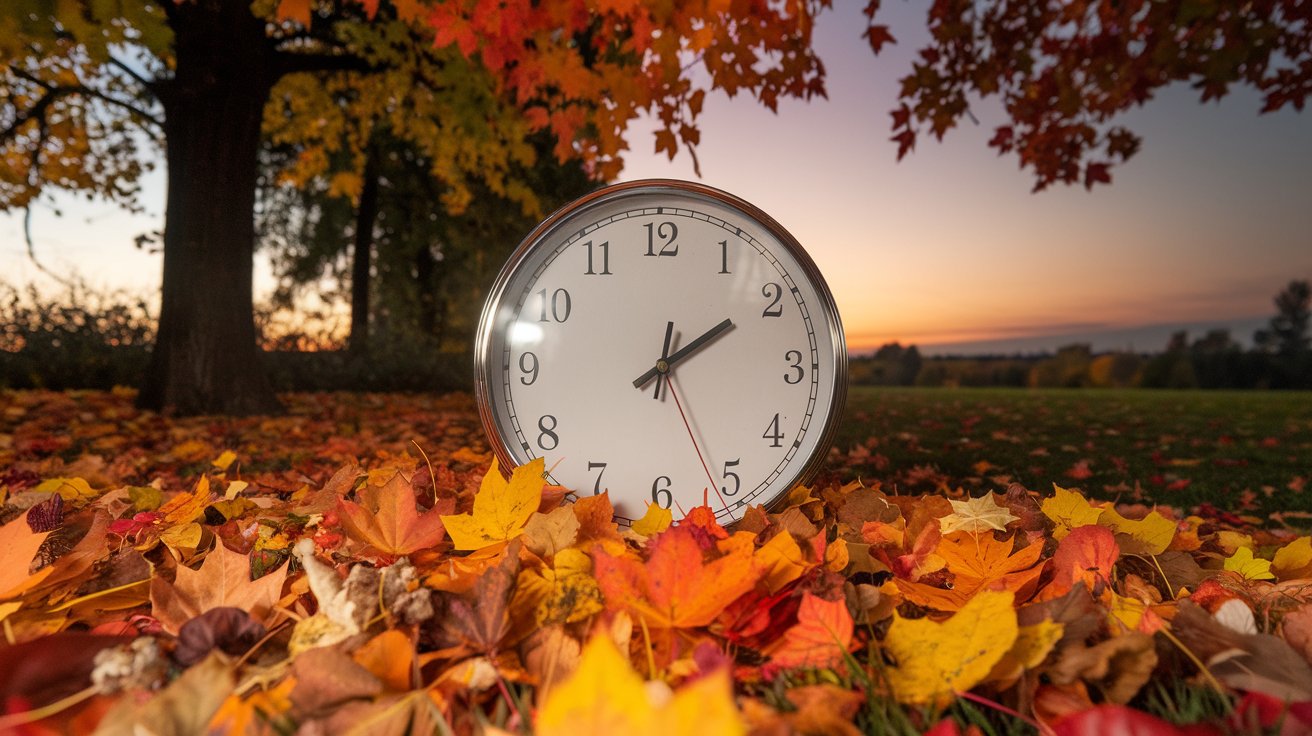
As the leaves start to turn golden and the air gets cooler, there’s one change coming that might seem small but has a surprisingly big impact on us all—Daylight Saving Time. Every year, we “fall back” an hour, but have you ever stopped to think about how this subtle shift messes with your mind and body? It’s not just about getting an extra hour of sleep; there’s a deeper, darker side to this time manipulation that affects us more than we realize.
What Is Daylight Saving Time?
Daylight Saving Time (DST) is a system we’ve been using for over a century. The idea is simple: shift the clock forward by an hour in spring to get more daylight during the evening, and shift it back an hour in fall to return to normal time. On the surface, it seems harmless—just a way to make the most of daylight hours.
But have you ever wondered why we do it? Or what really happens to our minds and bodies when we play with time like this?
How DST Messes With Your Internal Clock
Our bodies operate on a natural 24-hour cycle called the circadian rhythm. This internal clock regulates when we sleep, eat, and feel alert. It’s closely tied to the sun’s schedule, so when the clock suddenly shifts, it throws our whole system out of balance.
For example, when we “fall back” an hour in the autumn, it may feel like you’re gaining time. But in reality, your body isn’t magically adjusting to the change. It’s still working on its own schedule, which can lead to disrupted sleep, irritability, and even a sluggish feeling that lasts for days—or sometimes weeks.
That’s the dark side of DST. It’s like playing a mind game with your own body.
Sleep Deprivation and Mood Swings
One of the biggest ways DST messes with us is through sleep. You might think gaining an hour in the fall would give you more rest, but it’s not that simple. Our sleep patterns are delicate. Even a one-hour shift can lead to poor-quality sleep, especially if you go to bed and wake up at inconsistent times.
In fact, studies have shown that after the time change, people are more likely to experience mood swings, irritability, and even mild depression. Why? Because our bodies need time to adjust to the new schedule, and during that transition, we often don’t get the rest we need.
Ever notice how tired you feel the Monday after the clocks change? That’s because your brain and body are still confused. And it’s not just about feeling groggy—this confusion can impact how well you focus at school or work, how you handle stress, and even how happy you feel.
Physical Health: A Hidden Toll
The effects of DST go beyond mood and energy. Believe it or not, the change in time can have serious physical consequences too. After the clocks shift, there’s an increase in car accidents, heart attacks, and strokes. Sounds extreme, right? But think about it—when your sleep is messed up and your body feels out of sync, it can lead to poor decisions and added stress.
The darker mornings and earlier sunsets also impact your exposure to natural light, which plays a huge role in your mental and physical health. Less sunlight means less vitamin D, which can lower your immune system, make you feel more tired, and even contribute to Seasonal Affective Disorder (SAD).
The Psychological Trick Behind “Falling Back”
Here’s the tricky part: Daylight Saving Time makes you feel like you’ve gained something when you’re actually losing balance. That extra hour you get in the fall feels like a gift, but in reality, it’s just resetting a cycle that’s been thrown off in the first place. DST is a system that manipulates how we perceive time, giving the illusion that we can control nature, but at the cost of our well-being.
How to Fight Back Against Time Manipulation
So, what can you do to protect yourself from the dark side of time?
- Prepare in Advance: Start adjusting your sleep schedule a few days before the time change. Going to bed 15 minutes earlier or later each night can help your body ease into the new routine.
- Get Outside: Natural sunlight is the best way to reset your internal clock. Spend time outside during the day, especially in the morning, to help your body adjust to the new light pattern.
- Keep a Routine: Stick to a regular schedule for meals, exercise, and sleep. Your body thrives on consistency, and keeping a routine can help it adapt to the time change more smoothly.
- Listen to Your Body: If you’re feeling tired or off-balance after the time change, give yourself time to rest. Your body needs time to adjust, so don’t push yourself too hard.
Final Thoughts
Daylight Saving Time might seem like just an hour’s shift, but its effects go far beyond that. From messing with your sleep to affecting your mood and even your physical health, this seemingly simple change has a dark side. The best thing you can do is be aware of how it impacts you and take steps to keep your body and mind in sync, even when the clocks aren’t

