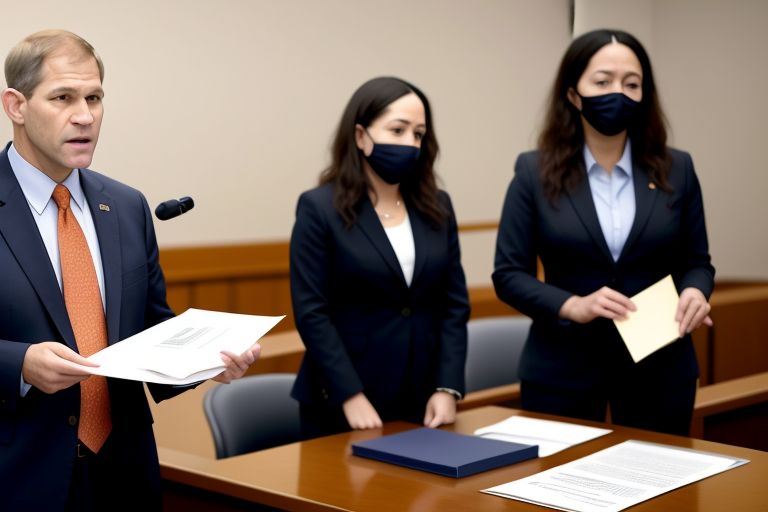
I knew something big was brewing the moment I heard about the subpoena. The Republican House Judiciary Committee Chair, Jim Jordan, was going after someone close to Vice President Kamala Harris. But what happened next? That was the real shocker. Harris’ ally, a key organizer in her political world, stood up to fight back—hard.
Thank you for reading this post, don't forget to subscribe!
It’s not every day that you see someone openly challenge a powerful GOP figure like Jim Jordan. He’s been known to go after anyone he thinks is hiding something. This time, though, the subpoena hit a wall. The Harris organizer wasn’t backing down. Instead of quietly handing over documents or agreeing to testify, they made it clear they had objections to the entire process. This wasn’t just any ordinary showdown—this was a battle about power, privacy, and political strategy.
What exactly did the GOP want from the organizer? Jordan claimed they were looking for information that could shed light on critical political issues. But Harris’ camp believed there was something deeper going on. According to them, this was less about transparency and more about trying to drag the Vice President’s name through the mud. Jordan was hoping to make headlines, while Harris’ ally was determined to protect the integrity of the Vice President’s work.
In their objection to the subpoena, the organizer’s legal team laid out a detailed argument. They said the whole thing was a politically motivated attack aimed at undermining Harris’ credibility. The timing of the subpoena, just as the election season started heating up, seemed too suspicious to ignore. They claimed that Jordan’s committee wasn’t just asking for information—they were trying to trap the Harris team into a scandal.
It wasn’t long before both sides started hurling accusations at each other. On one hand, Jordan accused the Harris camp of stonewalling and hiding crucial information. On the other hand, Harris’ ally argued that the GOP was engaged in a witch hunt, using legal tactics to distract from the real issues Americans care about.
And then there was the media frenzy. The press ate this up like a high-stakes courtroom drama. Every day, new headlines popped up, speculating about what was in those documents Jordan wanted so badly. Were there secrets that could hurt Harris’ career? Or was this just another political stunt?
But here’s where things took a surprising turn. The organizer didn’t just object—they launched a full-scale legal defense. They made it clear that they would take this fight all the way to court if they had to. This wasn’t just about avoiding the subpoena; it was about standing up for their principles. The organizer felt that complying would set a dangerous precedent, where political enemies could use the justice system to intimidate and manipulate.
So, what happens next? That’s the million-dollar question. Will Jordan’s committee back down, or will this fight get even uglier? One thing is for sure: this explosive showdown isn’t over yet. Both sides are digging in their heels, and neither seems willing to give an inch.
As I watched this battle unfold, I couldn’t help but wonder what the long-term impact would be. In the short term, it’s all about headlines and public perception. But in the long run, this could reshape how political investigations are handled. It’s not just about Harris or her organizer—it’s about how much power the government can wield when it comes to personal and political privacy.
This fight is far from over. And as it continues, one thing is clear: Harris’ ally isn’t going down without a fight.

