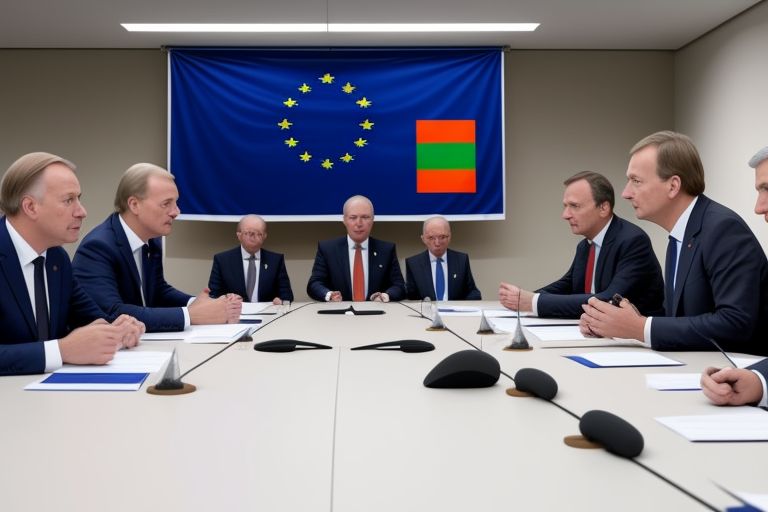
There’s something happening in the Netherlands, and it’s making waves across Europe. The Dutch government recently announced that they want to opt out of the EU’s asylum rules “as soon as possible.” Now, this sounds like just another political move, but what if there’s more going on than meets the eye? Why would one of the EU’s founding members suddenly want to break away from something so important? And more importantly, what aren’t they telling us?
Thank you for reading this post, don't forget to subscribe!
For years, the EU has had strict rules for how member countries handle asylum seekers. These rules are supposed to ensure fairness and help distribute the responsibility among all member states. But the Netherlands is saying, “No thanks,” and they want out. To the casual observer, it might seem like the Dutch government is simply looking to take control of their own borders. But dig a little deeper, and you’ll see that things aren’t so simple.
The Real Reason Behind the Opt-Out Demand
First off, the Netherlands has been feeling the pressure. The country has been dealing with a significant influx of asylum seekers, and resources are stretched thin. The housing crisis is real, and local governments are struggling to provide the basic needs for both citizens and newcomers. This is one of the reasons why the Dutch government is urgently pushing to step back from the EU’s asylum rules. But that’s just the surface.
What isn’t being openly discussed is the political tension within the country. The Netherlands, like many other European nations, has seen a rise in populist movements. Anti-immigration rhetoric has gained traction, and politicians are finding themselves under increasing pressure to “do something” about the issue. It’s not just about protecting borders anymore—it’s about staying in power.
If you think about it, this move could also be a strategic way for the government to appease these rising voices without directly engaging in controversial debates about asylum seekers. By blaming the EU’s rules, they can say, “Our hands are tied. It’s the system’s fault.” And if they succeed in opting out, they’ll get to say, “Look, we’ve taken action.” But what happens next?
What Opting Out Really Means
Stepping away from the EU’s asylum rules might sound like a solution, but it could create even bigger problems down the road. First, it could lead to tension between the Netherlands and the rest of the EU. If one country decides to opt out, what’s stopping others from doing the same? This could start a domino effect, causing cracks in the EU’s already fragile unity.
Secondly, this opt-out move could leave asylum seekers in limbo. Without a clear system in place, it’s hard to know how the Dutch government plans to handle future arrivals. Will they turn people away at the border? Will there be new rules, or will everything just become more chaotic?
These are the questions no one seems to be asking publicly. But they’re definitely on the minds of EU leaders, and for good reason. The Netherlands’ decision could set a dangerous precedent.
The Bigger Picture
This isn’t just about one country trying to regain control. It’s about the future of the EU and the principles it was built on. Asylum policies are supposed to be a shared responsibility, but what happens when a member state decides they don’t want to share anymore? The Dutch government’s opt-out demand may seem like a bold move, but it could signal the start of something much bigger—a shift in the way Europe handles immigration and asylum seekers altogether.
So, what aren’t they telling us? They’re not talking about the potential fallout within the EU or the impact this decision could have on the very people it affects the most: asylum seekers. They’re not addressing the deeper political motivations behind the opt-out demand. And they’re certainly not sharing what might happen next if other countries decide to follow the Netherlands’ lead.
Only time will tell how this will play out. But one thing is clear: this is a turning point for the Netherlands, the EU, and Europe as a whole.

