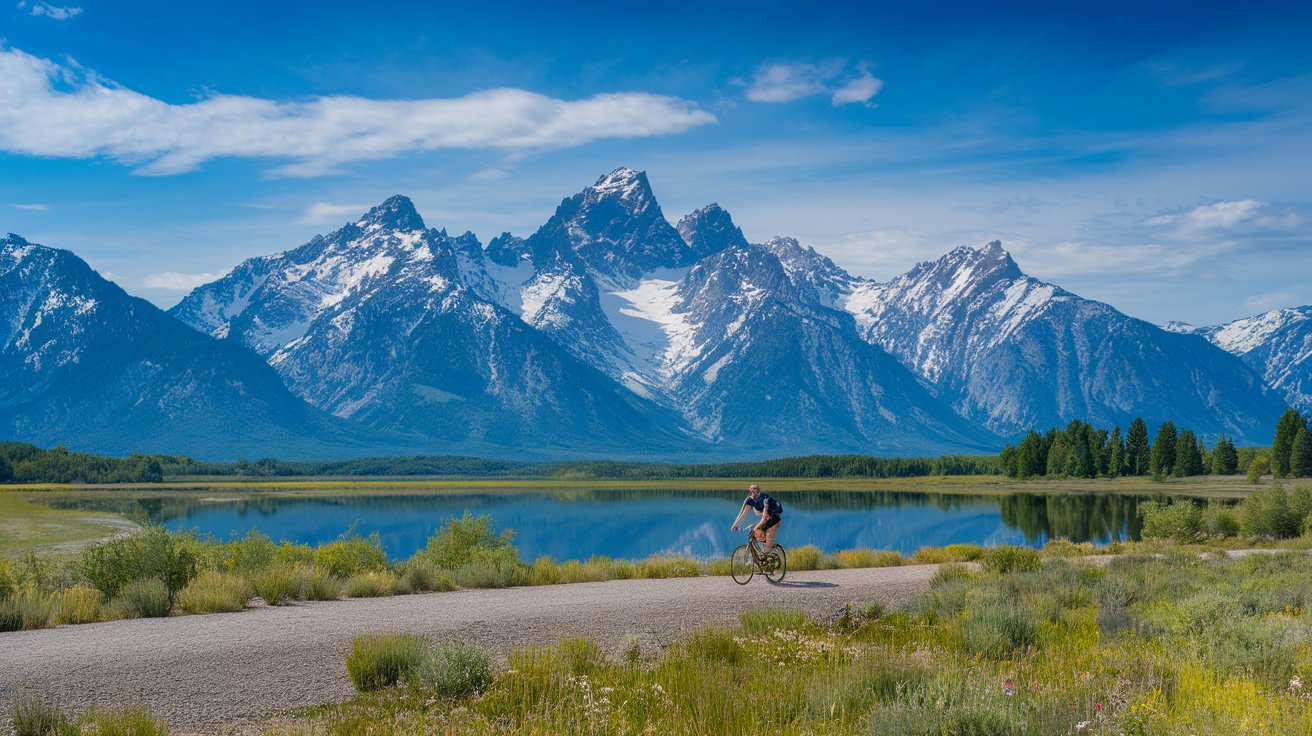
Exploring the breathtaking landscapes of the United States’ national parks on two wheels is an exhilarating experience that every cycling enthusiast should embrace. From winding mountain roads to flat coastal trails, these protected natural havens offer a diverse array of cycling adventures. With 63 national parks spanning the country, each one presents its own unique challenges and scenic rewards. In this comprehensive guide, we unveil the top 10 national parks that promise an unforgettable cycling experience, catering to various skill levels and preferences.
Thank you for reading this post, don't forget to subscribe!
1. Glacier National Park: Conquering the Going-to-the-Sun Road
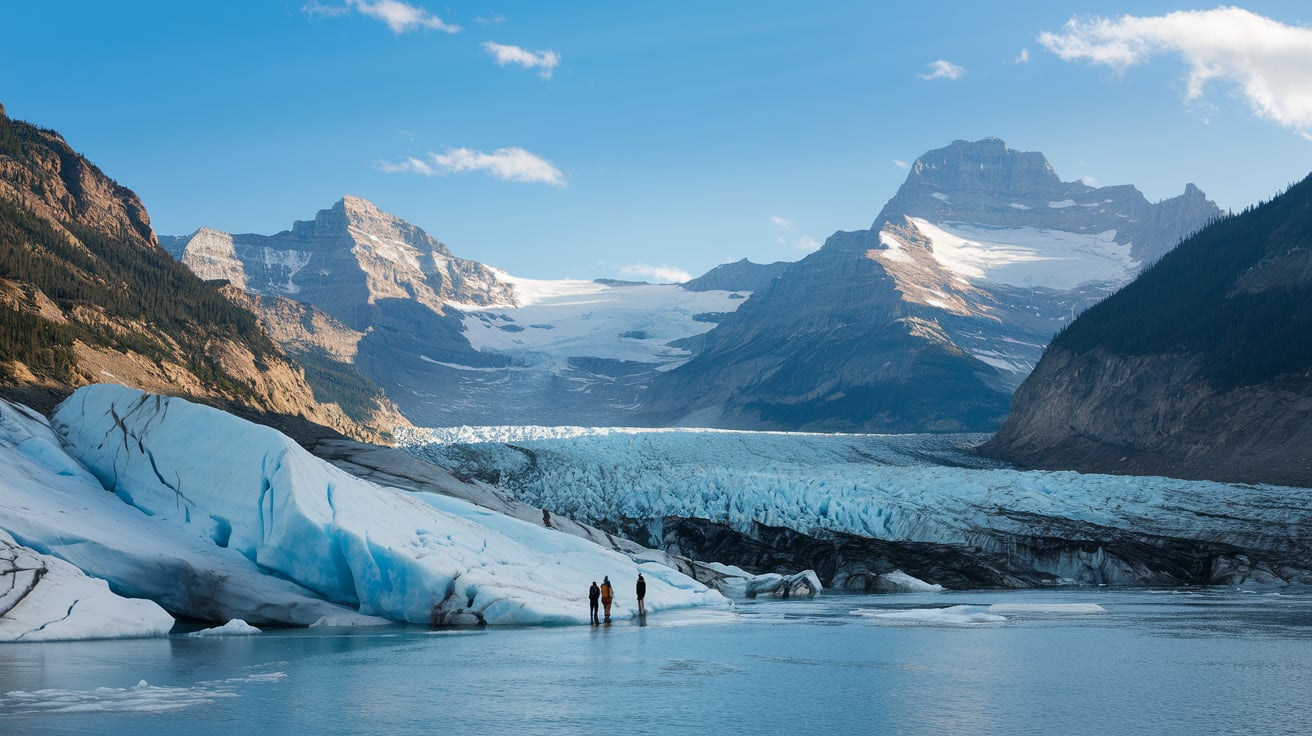
Nestled in the rugged terrain of northern Montana, Glacier National Park boasts one of the most iconic cycling routes in the country – the Going-to-the-Sun Road. This winding mountain pass, carved through the heart of the park, offers cyclists an unparalleled opportunity to immerse themselves in the grandeur of glacially-carved valleys and towering peaks.
Each year, the road is temporarily closed due to heavy snowfall, requiring a monumental effort to clear the path for the summer season. However, this closure presents a unique opportunity for cyclists. During the brief window between the road’s clearing and its reopening to vehicular traffic, adventurous riders can claim the entire 50-mile stretch as their personal playground, sharing the breathtaking vistas with only the occasional bear or mountain goat.
Once the road reopens to cars, cyclists can still enjoy the thrill of pedaling alongside awe-inspiring scenery, but they’ll need to share the road with motorists. Nonetheless, the experience remains unparalleled, with each turn revealing new panoramic vistas that will leave you in awe.
Key Highlights:
- Conquer the legendary Going-to-the-Sun Road, a 50-mile cycling paradise
- Enjoy a brief car-free window after the road’s annual clearing
- Share the road with wildlife during your ride
- Challenge yourself with steep climbs and winding descents
2. Grand Teton National Park: Cycling Beneath Towering Peaks
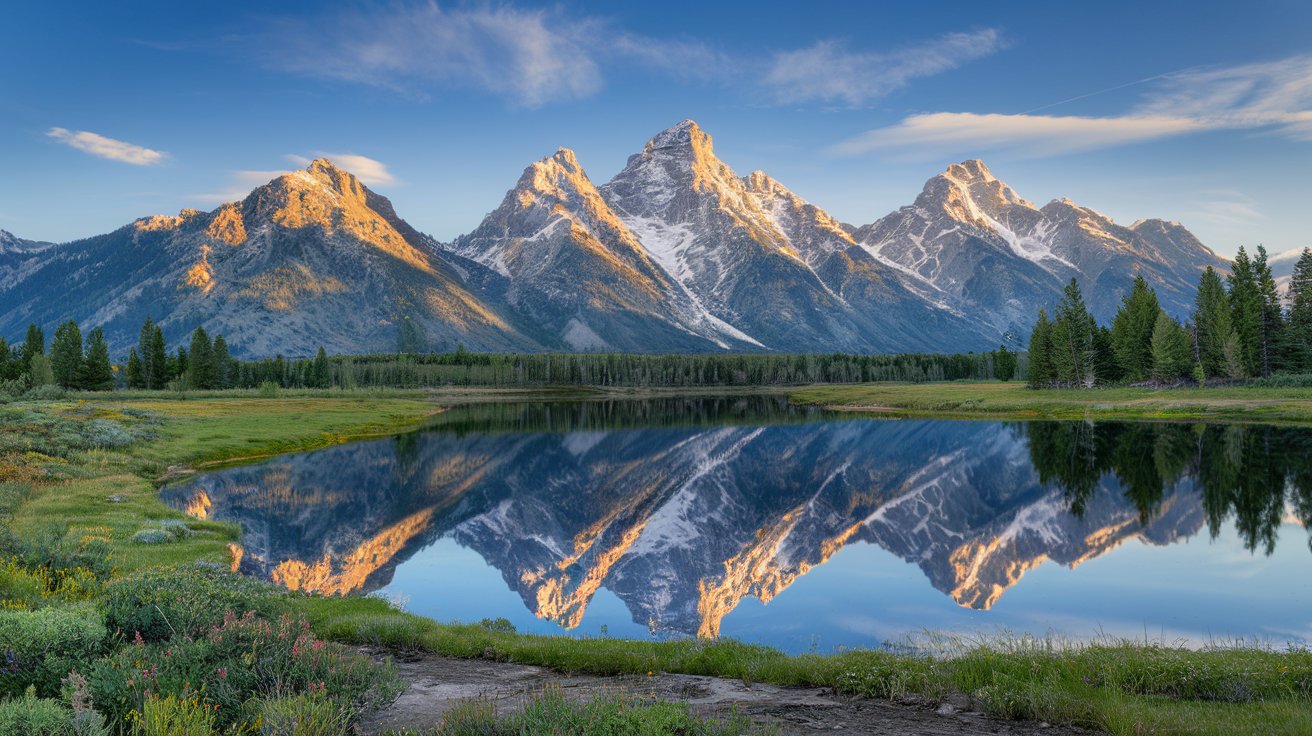
Nestled in the heart of Wyoming, Grand Teton National Park offers a cycling experience like no other. Here, the majestic Teton Range rises abruptly from the valley floor, creating a striking contrast that captivates the senses. The park’s multi-use pathway system, spanning over 50 miles, allows cyclists to explore this natural wonder while remaining separated from vehicular traffic.
One of the highlights of cycling in Grand Teton National Park is the opportunity to embark on the scenic Jenny Lake Loop. This 7-mile trail winds its way along the shores of the glacial lake, offering stunning vistas of the surrounding peaks and canyons. Keep your eyes peeled for wildlife, as bears, bison, moose, and elk are known to frequent the area.
For those seeking a more challenging adventure, the park’s main road is also open to cyclists, providing an opportunity to tackle steep climbs and descents while immersing themselves in the grandeur of the Teton Range.
Key Highlights:
- Explore over 50 miles of dedicated multi-use pathways
- Embark on the scenic Jenny Lake Loop for breathtaking mountain vistas
- Spot diverse wildlife, including bears, bison, moose, and elk
- Challenge yourself on the park’s main road for a more strenuous ride
3. Zion National Park: A Car-Free Cycling Sanctuary
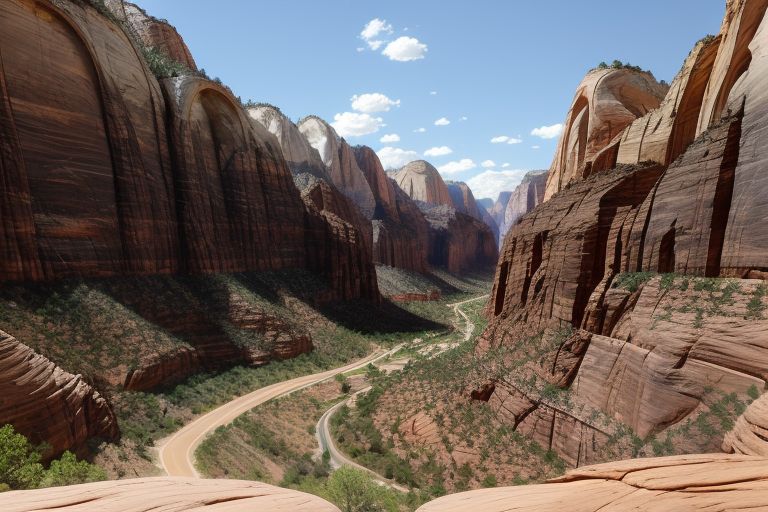
Zion National Park, located in southwestern Utah, is a true cycling paradise, offering a unique opportunity to explore its stunning landscapes without the constant presence of vehicular traffic. To combat congestion and preserve the park’s natural beauty, the Zion Canyon Scenic Drive is closed to private vehicles for most of the year, with the exception of winter months.
During this closure, the 15-mile round-trip route becomes a cycling and hiking sanctuary, allowing visitors to experience the park’s iconic red-rock formations, towering cliffs, and lush greenery at a leisurely pace. While cyclists must yield to the park’s shuttle buses, the absence of constant car traffic creates a serene and immersive experience.
Adventurous riders can extend their journey by connecting to the Pa’rus Trail, a paved, nearly flat path that winds along the Virgin River, offering breathtaking views of the park’s iconic landmarks.
Key Highlights:
- Enjoy a car-free cycling experience on the Zion Canyon Scenic Drive
- Explore the park’s iconic red-rock formations and towering cliffs
- Connect to the Pa’rus Trail for an extended ride along the Virgin River
- Escape the crowds and experience the park at a leisurely pace
4. Acadia National Park: Carriage Roads and Coastal Vistas
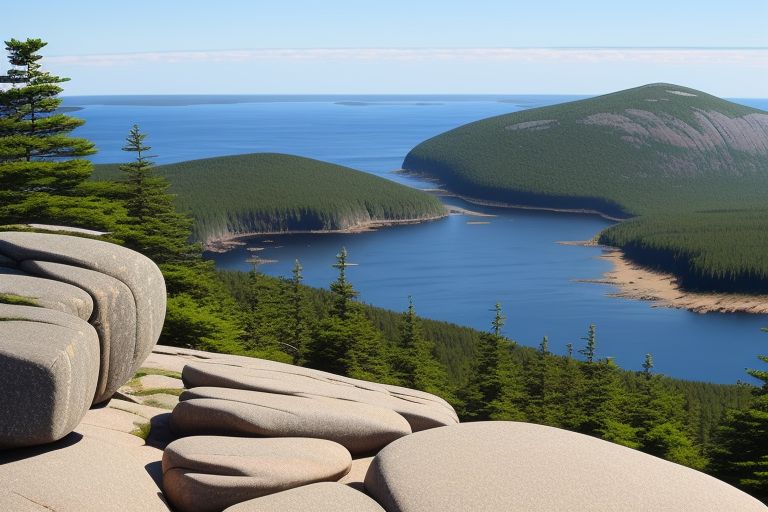
Nestled along the rugged coastline of Maine, Acadia National Park offers a cycling experience steeped in history and natural beauty. Thanks to the vision and generosity of John D. Rockefeller Jr., the park boasts an extensive network of carriage roads, totaling 45 miles, that were meticulously constructed between 1913 and 1940.
These crushed-rock byways, adorned with picturesque stone-faced bridges, were originally intended for horseback riding, but today, they provide cyclists with a unique opportunity to explore the park’s diverse landscapes without the interference of motorized vehicles. Whether you choose to circumnavigate the scenic Eagle Lake or visit the historic Jordan Pond House for a well-deserved break, these carriage roads offer a glimpse into the park’s past while showcasing its natural splendor.
For those seeking a more traditional cycling experience, the Park Loop Road provides a breathtaking route along the coastal cliffs and through the park’s lush interior, with a detour leading to the summit of Cadillac Mountain for panoramic views.
Key Highlights:
- Explore the historic 45-mile network of carriage roads
- Admire picturesque stone-faced bridges and scenic lakes
- Take a detour to the summit of Cadillac Mountain for coastal vistas
- Experience the park’s diverse landscapes without motorized traffic
5. Death Valley National Park: Conquering Extremes on Two Wheels
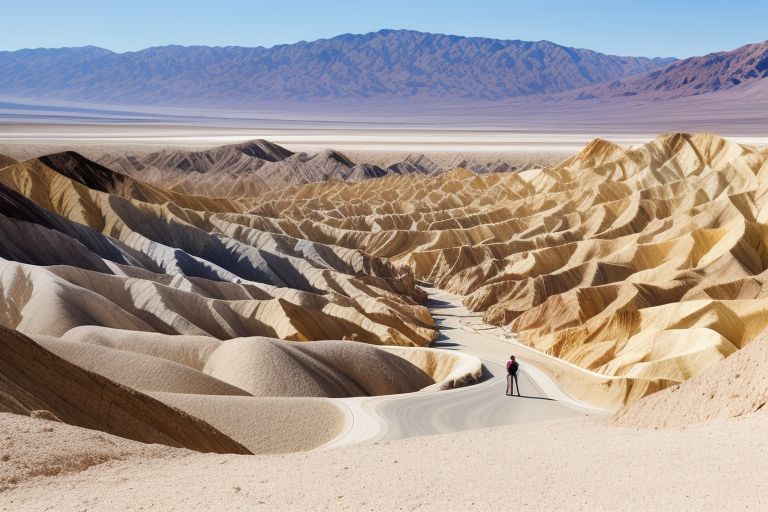
At first glance, Death Valley National Park may not seem like an ideal cycling destination, especially during the scorching summer months when temperatures can soar to a staggering 130°F (54°C). However, when the days grow shorter and the heat subsides, this otherworldly landscape transforms into a cycling paradise, offering hundreds of miles of paved roads that wind through diverse desert landscapes.
One of the park’s unique features is the stark contrast between its lowest and highest points. Cyclists can descend to the depths of Badwater Basin, the lowest point in North America at 282 feet below sea level, and then ascend to the lofty heights of Telescope Peak, which soars over 11,000 feet into the sky.
Whether you’re an experienced cyclist seeking a challenging adventure or a casual rider in search of a unique desert experience, Death Valley National Park promises to leave you in awe of its rugged beauty and extreme contrasts.
Key Highlights:
- Explore hundreds of miles of paved roads during cooler months
- Descend to the lowest point in North America, Badwater Basin
- Ascend to the park’s highest point, Telescope Peak, at over 11,000 feet
- Experience diverse desert landscapes and extreme contrasts
6. Olympic National Park: Conquering the Hurricane Ridge Climb
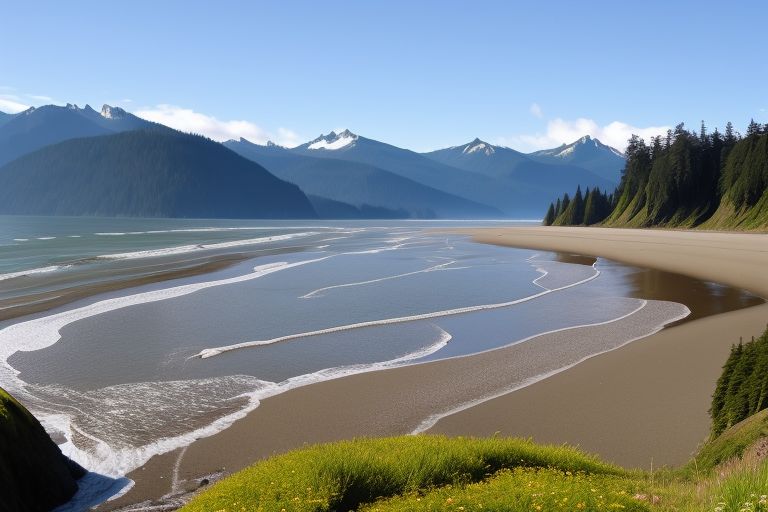
For cycling enthusiasts seeking a true test of endurance and determination, Olympic National Park in Washington offers one of the most challenging and rewarding climbs in the Pacific Northwest – the Hurricane Ridge ride. This epic journey begins at the coast and ascends over 5,000 feet in just 19 miles, winding its way through breathtaking mountain scenery.
However, the true reward for conquering this grueling climb is the opportunity to experience the ride without the presence of vehicular traffic. Each August, cyclists are granted exclusive access to the road during a designated event, allowing them to savor the pristine beauty of the park without the distraction of cars.
If you’re seeking an even greater challenge, you can extend your adventure by turning around and tackling the 40-mile round-trip ride, immersing yourself in the park’s rugged landscapes and testing your endurance to the fullest.
Key Highlights:
- Conquer the epic Hurricane Ridge climb, ascending over 5,000 feet
- Experience a car-free ride during the annual August event
- Extend your adventure with a 40-mile round-trip challenge
- Immerse yourself in the park’s breathtaking mountain scenery
7. Everglades National Park: A Flat Oasis for Wildlife Watching
While many national parks offer challenging climbs and rugged terrain, the Everglades National Park in southern Florida presents a unique opportunity for cyclists seeking a more leisurely experience. With its flat landscapes and abundance of wildlife, this park is a true oasis for those who prefer to keep their rides on level ground.
The park boasts five dedicated bike trails, ranging from the short 3.2-mile loop to the expansive 15-mile Shark Valley Tram Road. As you pedal along these well-maintained paths, keep your eyes peeled for the diverse array of wildlife that calls the Everglades home. From sunbathing alligators and slithering snakes to majestic birds like herons and egrets, this park offers a front-row seat to nature’s wonders.
One of the unique advantages of cycling in the Everglades is the ability to enjoy the trails year-round, as the mild climate and flat terrain make it an ideal destination for riders of all skill levels, regardless of the season.
Key Highlights:
- Explore five dedicated bike trails, ranging from 3.2 to 15 miles
- Spot diverse wildlife, including alligators, snakes, and birds
- Enjoy a flat, leisurely ride suitable for all skill levels
- Experience the park’s trails year-round, thanks to the mild climate
8. Redwood National and State Parks: Cycling Among Giants
Nestled along the rugged coastline of Northern California, Redwood National and State Parks offer a truly unique cycling experience that will make you feel small in the best possible way. From the Elk Meadow Day Use Area, cyclists can access a network of trails that have been converted from old logging roads, winding their way through towering redwood forests.
While much of the area consists of second-growth forests, the western end of the Lost Man Creek Trail offers a breathtaking glimpse into the park’s ancient old-growth groves, where you’ll find yourself dwarfed by the majestic redwoods that have stood for centuries.
For a more leisurely ride, the Newton B. Drury Scenic Parkway provides a paved route that is closed to vehicular traffic on the first Saturday of each month from October to May, allowing cyclists to enjoy the park’s natural wonders in peaceful solitude.
Key Highlights:
- Explore trails converted from old logging roads
- Marvel at ancient old-growth redwood groves
- Enjoy a car-free ride on the Newton B. Drury Scenic Parkway
- Experience the park’s rugged coastal landscapes
9. Crater Lake National Park: Circumnavigating a Volcanic Wonder
Nestled in the heart of Oregon, Crater Lake National Park offers a truly unique cycling experience – the opportunity to circumnavigate the park’s namesake lake, a stunning body of water formed by a collapsed volcano. The 33-mile Rim Drive presents a challenging yet rewarding ride, with an elevation gain of approximately 4,000 feet and breathtaking vistas around every turn.
While the road is open to vehicular traffic during peak season, cyclists have the opportunity to experience it without the presence of cars during designated periods. During certain times of the year, portions of the Rim Drive are closed to vehicles but open to cyclists, allowing them to savor the park’s natural beauty in solitude.
Additionally, two Saturdays each year are designated as car-free days, when about two-thirds of the Rim Drive is closed to vehicular traffic, providing cyclists with a unique opportunity to conquer the challenging terrain without the distraction of cars.
Key Highlights:
- Circumnavigate the stunning Crater Lake, formed by a collapsed volcano
- Conquer the 33-mile Rim Drive, with an elevation gain of 4,000 feet
- Experience car-free periods and designated car-free Saturdays
- Marvel at breathtaking vistas around every turn
10. Lassen Volcanic National Park: Spring Solitude on Volcanic Roads
For those seeking a truly unique cycling experience, Lassen Volcanic National Park in Northern California offers a rare opportunity to explore its volcanic landscapes in solitude. While the park lacks dedicated bike trails, its network of paved roads provides a scenic route through this geologically diverse region.
During the spring and early summer months, after the roads have been cleared of snow but before they are fully opened to vehicular traffic, cyclists and hikers are granted exclusive access to approximately 20 miles of car-free roads. This temporary solitude allows riders to immerse themselves in the park’s volcanic features, including towering cinder cones, bubbling mud pots, and steaming fumaroles, without the distraction of motorized traffic.
As the season progresses and the roads open to vehicles, cyclists can still enjoy the park’s natural wonders, but they’ll need to share the roads with cars and be prepared for the potential challenges that come with vehicular traffic.
Key Highlights:
- Explore volcanic landscapes on paved roads
- Experience 20 miles of car-free roads in spring and early summer
- Marvel at cinder cones, mud pots, and steaming fumaroles
- Enjoy a unique cycling adventure through a geologically diverse region
Whether you’re an experienced cyclist seeking a challenging adventure or a casual rider in search of scenic beauty, the national parks of the United States offer a diverse array of cycling opportunities. From conquering epic climbs to leisurely rides through flat landscapes, each park presents its own unique challenges and rewards. By embracing these cycling destinations, you’ll not only experience the natural wonders of the country but also create lasting memories that will fuel your passion for two-wheeled exploration.

