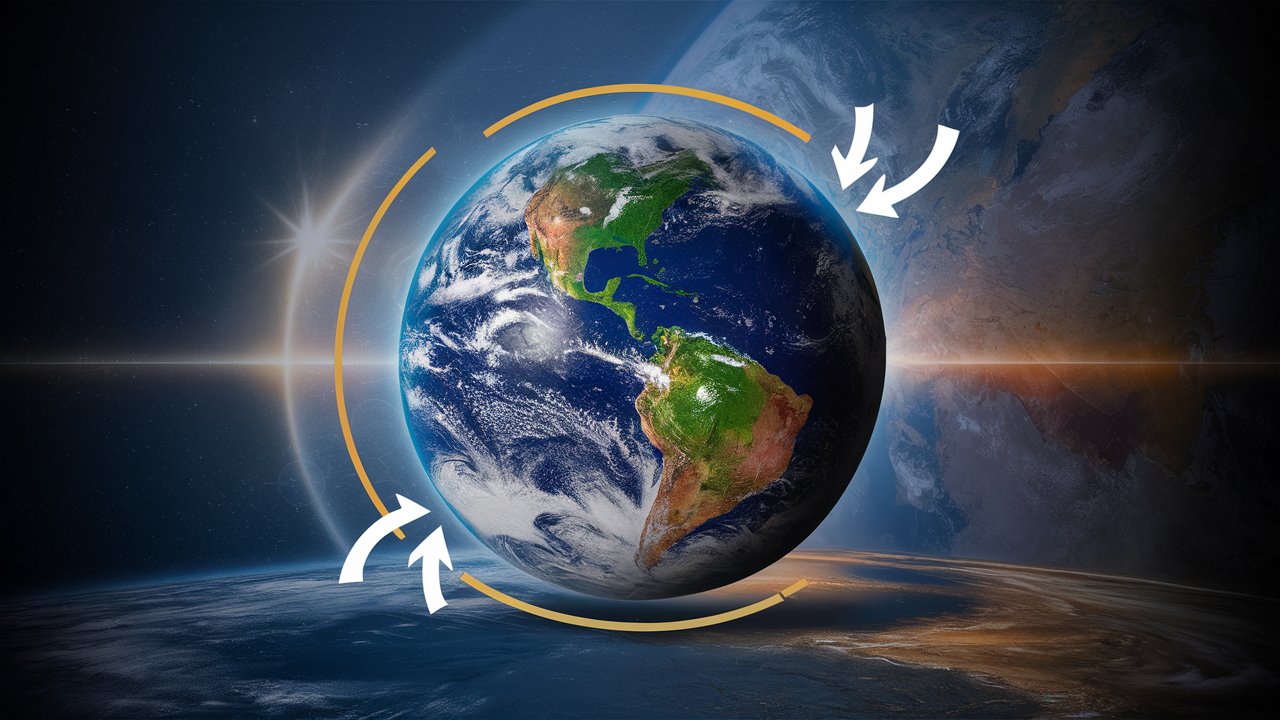
I’ll be honest—I didn’t expect to wake up and worry about Earth tilting, but here we are. When I first read the news that our planet has tilted by 31.5 inches (about 80 centimeters), my initial reaction was, “That doesn’t sound too bad.” But as I dug deeper, I realized this shift is more than just a fun fact. It’s a red flag, and we need to pay attention.
Thank you for reading this post, don't forget to subscribe!
Scientists are saying that the tilt isn’t something that happens naturally—at least, not this quickly. The culprit? Us. Human activity, like pumping underground water for agriculture and other uses, has shifted massive amounts of weight around the globe. Imagine tilting a spinning top by just a hair—it won’t stay steady for long, right? That’s essentially what’s happening to Earth.
What Does It Mean for Us?
Now, before you panic, let me break it down. Earth’s tilt isn’t new—it’s what gives us seasons and keeps the climate balanced. But a sudden shift of 31.5 inches is like a wobble in a machine that’s supposed to run perfectly. It may not cause immediate disaster, but it adds strain to the system.
For starters, this tilt could affect climate patterns. Scientists believe it might lead to more extreme weather—think stronger hurricanes, heavier rainfall, and maybe even more droughts in unexpected places. It could also change the way ocean currents flow, which, fun fact, are super important for regulating global temperatures.
Another concern is how this might mess with Earth’s axis over time. The more weight we move around (think groundwater depletion or melting polar ice caps), the more the tilt could shift. It’s like moving furniture around a boat—eventually, it might start rocking in ways we don’t want.
Are We Too Late?
Here’s the good news: It’s not all doom and gloom. Scientists are amazing at spotting these changes early, which gives us time to act. The key is reducing human impact, especially when it comes to things like water use and carbon emissions.
Countries are already working on solutions, like creating policies to manage water resources better. And as individuals, we can play a role too. It’s as simple as being mindful of water usage, supporting sustainable practices, and spreading awareness.
Why This Matters
I know this all sounds big and scary, but here’s the thing—Earth has an incredible way of adapting. The tilt is a wake-up call, a reminder that even small actions have a massive impact. Think of it as a chance to reflect on how connected we are to this spinning, wobbling home of ours.
We might not feel the effects of this tilt today or tomorrow, but understanding what’s happening gives us a shot at keeping Earth in balance. It’s not just about science—it’s about making sure we leave this planet livable for the next generation.

