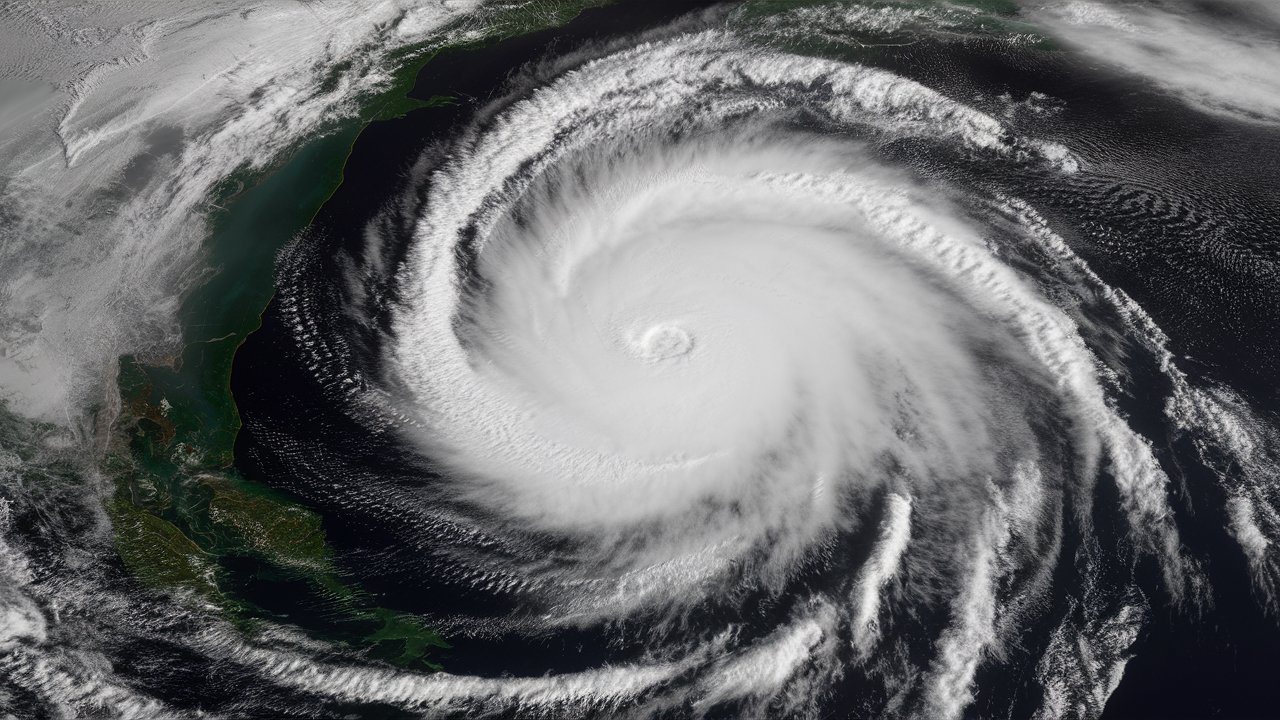
When I heard about Hurricane Rafael forming and setting its sights on the Gulf of Mexico, I was floored. Hurricanes in November are rare enough, but Rafael’s unusual path through the Gulf is making even the experts pause. Imagine a powerful storm on an unpredictable route in a month where we usually think about cooler temperatures, not hurricane watches.
Thank you for reading this post, don't forget to subscribe!
For many of us, the Gulf Coast is no stranger to hurricanes, but Rafael is something else. Typically, hurricane season tapers off by this time, and the storms that do form don’t usually impact the Gulf directly. But Rafael is changing that expectation. This is not just another weather story; it’s an urgent reminder that things may be shifting in ways we don’t fully understand yet.
Unprecedented Gulf Path for November
The path Rafael is taking is what’s really sparking concern. While November hurricanes are generally known to stay further south or move toward the Atlantic, Rafael is heading straight for the Gulf, an area rich in warm waters that feed storm intensity. The Gulf’s warmth is like fuel, and Rafael could potentially grow stronger than typical November storms. Experts say Rafael’s path might push it toward areas like Texas or Louisiana, places that have already seen enough extreme weather this year.
This isn’t normal. The National Weather Service notes that, historically, only a handful of hurricanes have entered the Gulf this late in the season, and almost none with Rafael’s potential power. Experts are still analyzing what’s driving Rafael on this rare path, but many are pointing to unusual water temperatures and shifting climate patterns as possible reasons.
Could Rafael Be a Glimpse of Future Storms?
Here’s where things get even more unsettling. Meteorologists are questioning if this could become a more common scenario. Could we be seeing the start of a trend where the Gulf faces more late-season storms? Some climate scientists believe that warming global temperatures are extending hurricane season, creating the conditions for late-year storms like Rafael.
The implications here are massive. We’re talking about potential changes in building codes, new strategies for coastal cities, and even shifts in the tourism industry. It’s not just about being prepared for one storm but rethinking what hurricane season looks like.
Coastal Communities on Alert
As Rafael moves closer to the Gulf, coastal communities are taking precautions. From Texas to Florida, many are already dealing with heavy rains and flash flood warnings, and the storm hasn’t even hit its peak yet. Schools are closing, emergency kits are being packed, and families are double-checking their evacuation plans. If Rafael makes landfall as predicted, it could bring a mix of storm surges, high winds, and inland flooding – a dangerous combo for any coastal area.
When it comes down to it, Rafael’s path reminds us of one thing: nature is unpredictable. As much as we think we have the seasons mapped out, a storm like this reminds us that we don’t have all the answers. We have to stay alert, listen to experts, and prepare for anything.
Time to Pay Attention
As Rafael barrels forward, I find myself hoping people truly pay attention. This isn’t just another storm on the radar – it’s a warning. Whether Rafael’s path becomes a one-time event or the start of something more frequent, only time will tell. For now, though, I’m staying tuned, preparing, and watching closely. I hope you are, too.

