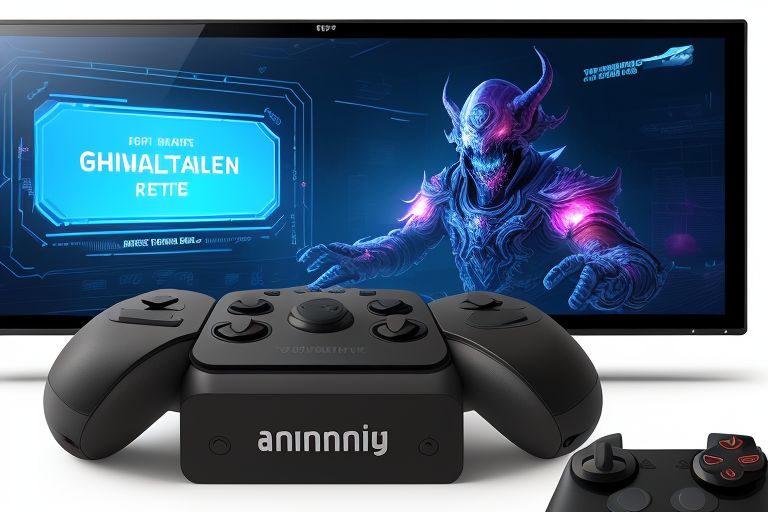
When I first heard about Vessel of Hatred, a fast-paced, intense game set in a dark fantasy world, I never expected it to be at the forefront of gaming accessibility. With its storyline deeply intertwined with dark themes and challenging gameplay, I thought it would be another game only experienced players could enjoy. But I was pleasantly surprised. This game is breaking barriers, making sure it’s accessible to nearly everyone, regardless of physical ability, sensory challenges, or experience level. Let me share what I found so impressive.
Thank you for reading this post, don't forget to subscribe!
Accessibility from the Start
What I found especially amazing is that Vessel of Hatred has accessibility features baked into the game from the very beginning. Imagine a welcome screen that actually asks about your preferences right up front, whether you’d like to adjust visuals, sounds, or controls before the action even begins. For gamers with vision challenges, the game offers adjustable text sizes, color contrasts, and even a narrator that guides players through essential parts of the setup. I had never seen such a simple but thoughtful approach before. It’s as if the creators really understood that no two gamers are the same.
Vision and Audio Options Like Never Before
Now, let’s talk about vision and audio adjustments, which really blew me away. For gamers who are colorblind, Vessel of Hatred has a color customization setting that allows you to choose colors that work best for you. There are multiple modes to suit different types of color blindness, which really makes a difference in such a visually detailed game. And for those who may find the dark visuals overwhelming, there’s a high-contrast mode to make everything stand out more clearly.
The audio features are equally impressive. For gamers with hearing loss, there’s an option for visual cues that correspond to sounds in the game. For example, if an enemy is approaching, you might see a small visual icon pop up, indicating danger. And, let’s be honest, with the game’s intense soundtrack, it’s easy to get lost in the music. Thankfully, there’s an option to lower background music while keeping sound effects strong, which is helpful for players who need more focus on the action without sensory overload.
The Power of Customizable Controls
One of the coolest features is the fully customizable controls. Not every player can use a traditional controller in the same way. Vessel of Hatred goes above and beyond by allowing players to remap every single button on their controllers. If someone needs a one-handed controller setup, no problem—this game supports it. I even read about some players using adaptive technology that allows them to control the game with their feet or voice commands! It’s such a freeing feeling to know that everyone can engage with the game however they need.
The Magic of “Assist Mode”
Here’s a feature that really stands out for players who may struggle with the game’s difficulty: the “Assist Mode.” While Vessel of Hatred is known for its challenging gameplay, the developers have added options for players who might need a little extra help. You can adjust enemy strength, make your character slightly faster, or even reduce damage taken. I know some gamers worry this would make it “too easy,” but think about it—it makes the game open to more people, allowing them to experience the story and gameplay without being overwhelmed.
Why It All Matters
So why are these features a big deal? I think it boils down to the simple fact that everyone deserves to play. In the gaming world, accessibility isn’t just about reaching a wider audience; it’s about making people feel welcome and included. By opening doors for players with different abilities, Vessel of Hatred shows us that gaming is for everyone.
I walked away from Vessel of Hatred not just appreciating it as a game, but as a space where all players, regardless of ability, can come together to explore, strategize, and enjoy. Isn’t that what gaming should be about?

