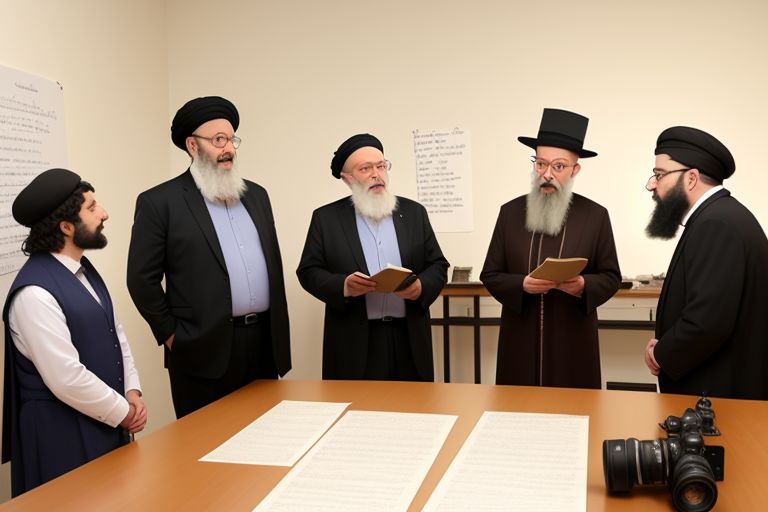
When I first heard about Netflix’s new film, Nobody Wants This, I thought, “Great, another romantic story.” But then I learned that a real-life rabbi played a crucial role in shaping the film’s narrative, especially when it comes to the complexities of interfaith relationships. That caught my attention! How often do we see a rabbi coaching filmmakers on love stories? So, I dove in to discover how this unusual partnership came about and what it meant for the film.
Thank you for reading this post, don't forget to subscribe!
As I began to explore the story behind the film, I learned that the movie centers on a love affair between two people from very different backgrounds. The characters navigate the challenges that come with their different beliefs, family expectations, and societal pressures. It’s a story that many can relate to, especially in our diverse world today. But what made this film stand out was the genuine guidance provided by Rabbi David, who was brought in to ensure authenticity in the portrayal of the Jewish character and the interfaith dynamic.
Rabbi David is not just any rabbi; he’s known for his open-minded approach and deep understanding of both Jewish traditions and modern relationships. When I discovered he was involved, I couldn’t help but feel excited. His task was to provide insight into how people of different faiths can navigate their differences while finding common ground.
During the filming process, Rabbi David met with the writers and directors to discuss the nuances of interfaith relationships. He emphasized the importance of respect, understanding, and communication—values that are essential for any relationship but especially critical when two people come from different religious backgrounds. He shared stories from his own life and those of couples he has counseled, making it clear that love can thrive even when the odds seem stacked against it.
I could imagine the filmmakers sitting in a room, listening intently as Rabbi David shared his wisdom. He explained how, in his experience, couples often face unique challenges but also discover incredible strengths when they work together. It’s not about changing each other’s beliefs but about learning to embrace differences. This perspective helped the filmmakers create a more realistic and relatable portrayal of the characters’ journey.
One of the film’s standout moments, according to early reviews, comes from a scene where the couple confronts their families about their relationship. It’s raw and emotional, showing the struggle many interfaith couples face. The guidance Rabbi David provided ensured that this scene resonated with authenticity. He encouraged the filmmakers to capture the complexities without sensationalizing the struggles. This approach made the film not only entertaining but also educational for viewers who might not be familiar with the dynamics of interfaith relationships.
As the film premiered, I watched with bated breath. Would it reflect the realities Rabbi David had so passionately discussed? Would it challenge stereotypes and offer a genuine representation of love across faiths? When the credits rolled, I felt a wave of satisfaction wash over me. It wasn’t just a love story; it was a meaningful exploration of what it means to love someone when the world tries to pull you apart.
What struck me most was how Rabbi David’s influence extended beyond the film itself. His involvement highlighted the need for more authentic storytelling in Hollywood, particularly when it comes to underrepresented narratives like interfaith love. It’s easy to depict relationships in a simplistic way, but real-life stories are often messy, complex, and filled with unexpected moments of joy and pain.
In the end, Nobody Wants This is more than just a movie; it’s a bridge connecting people from different backgrounds. Rabbi David’s coaching added depth and authenticity to the story, proving that love knows no boundaries, even in a world that often tries to create them. As I reflected on this experience, I couldn’t help but feel hopeful. Perhaps films like this can inspire more open conversations about love, acceptance, and the beauty of our differences.

